Operational Resilience for Autonomous AI Infrastructure: Building Stable Enterprise AI Systems at Scale
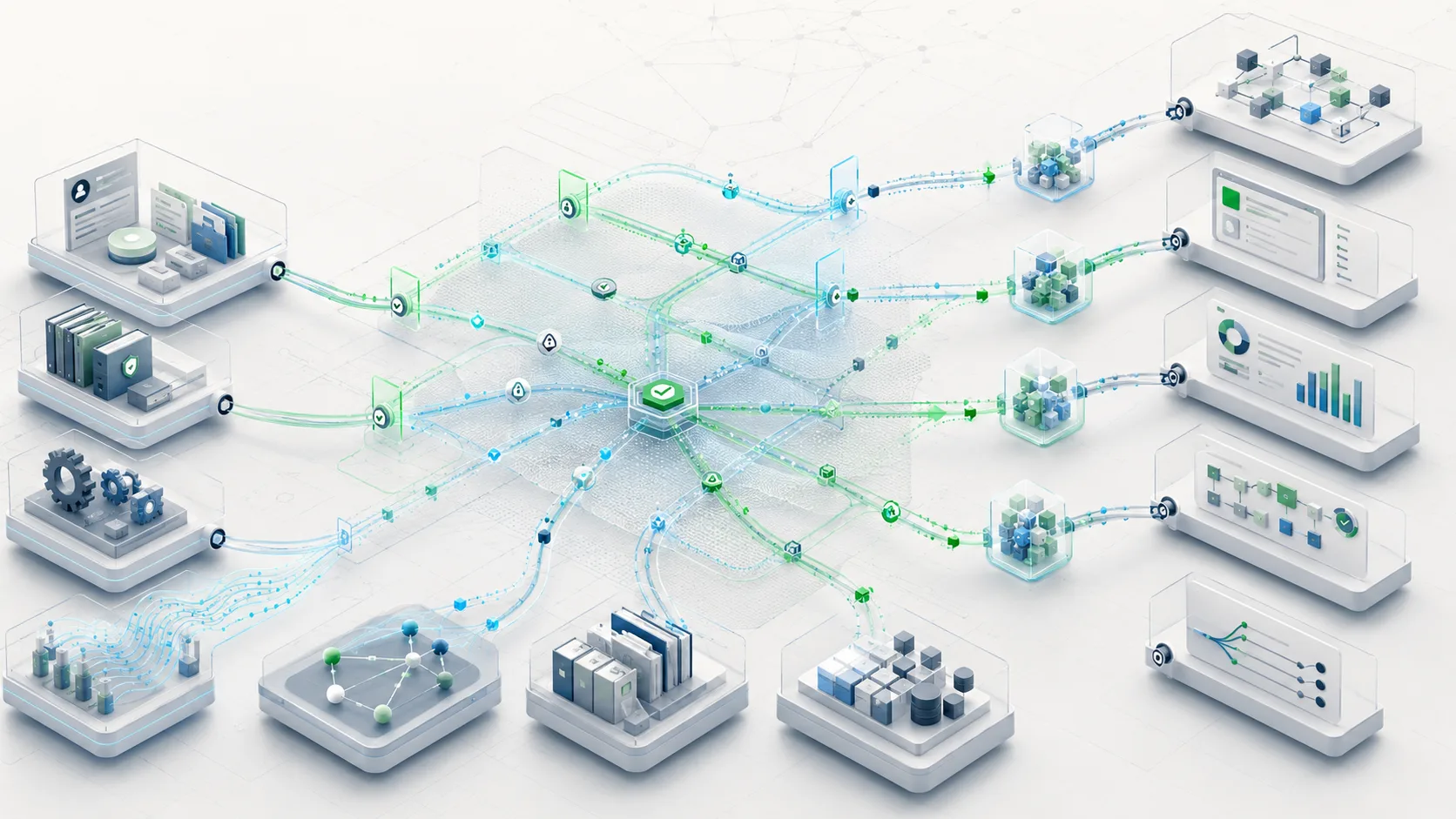
Enterprise AI systems are rapidly evolving into autonomous operational infrastructure responsible for workflow orchestration, decision execution, infrastructure automation, telemetry coordination, and intelligent operational management across distributed enterprise environments.
As organizations operationalize AI at scale, resilience is becoming one of the most critical architectural priorities in modern enterprise infrastructure. In 2026, Operational Resilience is no longer treated as a secondary reliability concern. It is becoming foundational infrastructure for enterprise AI systems.
The future of enterprise AI success will depend less on model capability alone and more on operational resilience — the ability to sustain intelligent operations safely, reliably, and continuously under dynamic infrastructure conditions.
What Is Operational Resilience in Autonomous AI Infrastructure?
Operational resilience refers to the ability of enterprise AI systems to maintain stability, governance, availability, observability, and operational continuity despite failures, infrastructure disruptions, runtime anomalies, or orchestration instability.
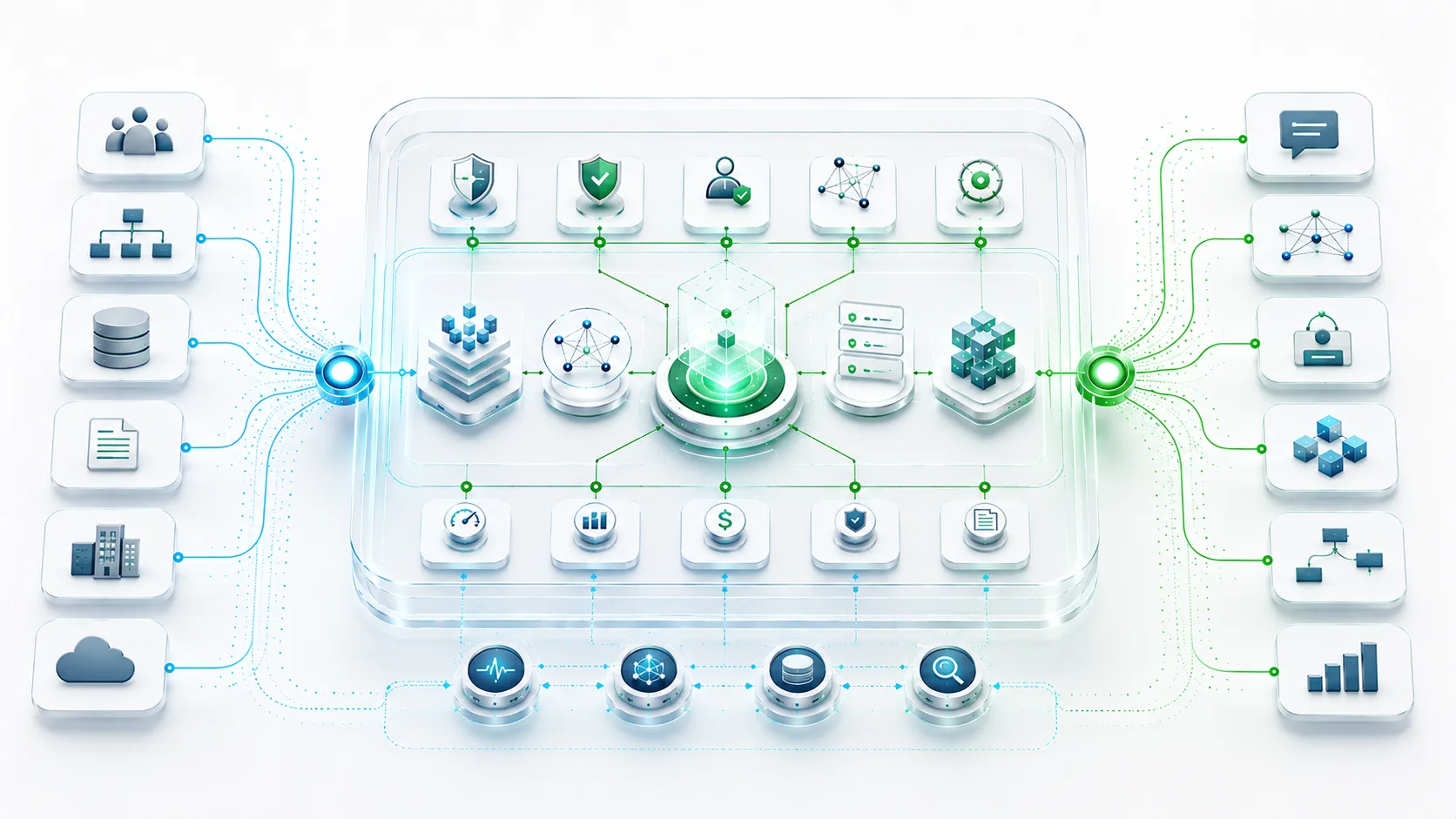
Modern AI infrastructure resilience includes:
- Runtime failure recovery
- Distributed orchestration stability
- Infrastructure failover coordination
- Operational telemetry visibility
- Adaptive governance systems
- AI workflow continuity
- Autonomous escalation routing
- Resilient orchestration infrastructure
Operational resilience transforms enterprise AI systems from experimental automation into production-grade operational infrastructure.
Infrastructure Stability
Maintain operational continuity across distributed AI infrastructure and orchestration systems during runtime disruptions.
Runtime Recovery
Enable autonomous infrastructure recovery pathways and resilient orchestration failover systems.
Operational Governance
Coordinate governance visibility and operational controls across intelligent enterprise systems.
Why Operational Resilience Matters in 2026
Enterprise AI systems are increasingly responsible for coordinating:
- Operational workflows
- Infrastructure orchestration
- AI decision systems
- Cloud-native automation
- Runtime governance
- Security escalation systems
- Autonomous operational execution
- Distributed AI infrastructure
Without operational resilience, enterprises face increasing exposure to:
- Infrastructure instability
- Workflow failures
- Operational blind spots
- Governance breakdowns
- Runtime escalation failures
- Distributed orchestration disruptions
The Reliability Gap in Enterprise AI
Most enterprise AI systems today remain operationally immature because organizations prioritize:
- Model deployment speed
- Experimental AI features
- Rapid automation
- Surface-level AI integration
while underinvesting in:
- Operational resilience
- Infrastructure failover systems
- Runtime governance
- Observability architecture
- Telemetry coordination
- AI operational recovery systems
The next generation of enterprise AI leaders will differentiate through resilient operational infrastructure — not simply more AI features.
Core Components of Autonomous AI Resilience
1. Resilient Orchestration Infrastructure
Enterprise orchestration systems must support:
- Workflow recovery
- Infrastructure redundancy
- Distributed failover systems
- Operational routing continuity
- Runtime stabilization
2. Runtime Telemetry Systems
Operational resilience depends heavily on:
- Infrastructure telemetry
- Operational tracing
- Runtime visibility
- Infrastructure health monitoring
- Failure anomaly detection
- AI workflow monitoring
3. Autonomous Recovery Systems
Modern resilience systems increasingly support:
- Self-healing infrastructure
- Automated failover orchestration
- Runtime recovery coordination
- Infrastructure isolation pathways
- Adaptive escalation systems
Autonomous Recovery Infrastructure
Coordinate runtime recovery systems, orchestration failover pathways, and infrastructure continuity across distributed enterprise AI environments.
Operational Intelligence Visibility
Maintain continuous visibility into infrastructure health, workflow execution, telemetry streams, and orchestration stability.
Enterprise Use Cases for Operational Resilience
AI Orchestration Platforms
Operational resilience systems help enterprises:
- Recover orchestration workflows
- Maintain workflow continuity
- Prevent cascading operational failures
- Coordinate resilient runtime execution
AI Agents and Autonomous Systems
Resilience infrastructure supports:
- Agent coordination recovery
- Operational rollback systems
- Runtime anomaly stabilization
- Governed AI execution continuity
Enterprise Cybersecurity Operations
Operational resilience enables:
- Security infrastructure continuity
- Threat-response stability
- Governed incident recovery
- Operational failover coordination
Enterprise Architecture Perspective
Operational resilience should be treated as a foundational architecture layer rather than a supplemental infrastructure feature.
Enterprise resilience architecture should include:
Operational Resilience Architecture Principles
- Observability-first infrastructure
- Distributed failover systems
- Runtime governance visibility
- Autonomous recovery pathways
- Infrastructure redundancy coordination
- Telemetry-driven orchestration
- Operational escalation frameworks
- Continuous resilience validation
The most mature enterprises are embedding resilience directly into orchestration systems, AI platforms, operational telemetry, and runtime governance infrastructure.
Operational Challenges Enterprises Face
Infrastructure Complexity
Distributed AI environments create resilience challenges across:
- Cloud providers
- Operational APIs
- AI orchestration layers
- Runtime telemetry systems
- Developer platforms
Observability Gaps
Organizations frequently lack visibility into:
- Workflow failures
- Infrastructure instability
- Runtime orchestration disruptions
- AI escalation systems
- Operational recovery pathways
Governance Fragmentation
Disconnected governance systems reduce resilience across distributed enterprise AI environments.
Resilience Insight
The future of enterprise AI resilience depends on operational coordination — not isolated infrastructure redundancy alone.
Implementation Checklist
Enterprise Operational Resilience Checklist
- Deploy resilient orchestration infrastructure
- Implement distributed telemetry visibility
- Deploy runtime anomaly detection systems
- Implement autonomous recovery coordination
- Deploy operational failover pathways
- Integrate governance into resilience systems
- Continuously validate runtime workflows
- Deploy infrastructure isolation controls
- Operationalize resilience testing
- Implement escalation recovery systems
- Monitor orchestration continuity continuously
- Deploy observability-first AI infrastructure
Common Mistakes Enterprises Make
Treating Resilience as Infrastructure Redundancy Alone
Modern AI resilience requires governance, observability, orchestration coordination, and operational recovery systems.
Ignoring Runtime Visibility
Operational blind spots reduce resilience effectiveness dramatically.
Separating Governance from Resilience Architecture
Disconnected governance reduces operational recovery coordination across distributed AI environments.
The enterprises that operationalize resilience most effectively will build the most trusted autonomous AI infrastructure.
Key Takeaways
Operational Resilience Enables AI Stability
Resilience systems provide the operational continuity required for scalable autonomous AI environments.
Observability Drives Recovery Intelligence
Operational telemetry and runtime visibility are foundational to modern AI recovery systems.
Resilience Is Becoming Core AI Infrastructure
Operational resilience is evolving into a foundational enterprise AI architecture layer.
How YggyTech Helps
YggyTech helps enterprises operationalize resilient autonomous AI infrastructure through observability systems, orchestration resilience engineering, runtime governance architecture, and operational AI modernization.
Our teams support:
- AI resilience architecture
- Operational recovery systems
- Infrastructure failover engineering
- Runtime telemetry platforms
- AI observability systems
- Operational governance coordination
- Distributed orchestration resilience
- Enterprise AI operationalization
Build Resilient Enterprise AI Infrastructure with YggyTech
YggyTech helps organizations deploy scalable operational resilience architecture through runtime governance systems, AI observability infrastructure, and resilient enterprise AI engineering.
Schedule an AI Resilience ConsultationFAQs
What is Operational Resilience in enterprise AI?
Operational resilience refers to the ability of enterprise AI systems to maintain stable, governed, and observable operations during infrastructure disruptions and runtime failures.
Why does Autonomous AI Infrastructure require resilience systems?
Autonomous AI systems operate continuously across distributed infrastructure environments, requiring runtime recovery, observability, failover coordination, and governance visibility.
What are the biggest challenges in AI operational resilience?
Key challenges include infrastructure fragmentation, runtime visibility gaps, orchestration instability, governance coordination, and distributed operational complexity.
What technologies support AI operational resilience?
Organizations typically use observability systems, telemetry infrastructure, orchestration platforms, governance engines, anomaly detection systems, and failover coordination layers.
How does YggyTech help enterprises build resilient AI infrastructure?
YggyTech helps organizations operationalize resilient enterprise AI systems through runtime governance architecture, AI observability platforms, orchestration resilience engineering, and operational infrastructure modernization.

Maheer Alishba
Data & Automation Consultant
Maheer writes about data engineering, AI-powered analytics, and intelligent business automation. Her content helps organizations understand how to transform fragmented operational data into measurable business intelligence and predictive systems.