AI Telemetry and Operational Intelligence Platforms: Building Real-Time Visibility for Enterprise AI Operations
Enterprise AI systems are rapidly evolving into operational infrastructure that coordinates workflows, automates decisions, orchestrates cloud-native systems, and powers intelligent enterprise operations across distributed environments.
As organizations operationalize AI at scale, telemetry and operational intelligence are becoming foundational infrastructure requirements. In 2026, AI Telemetry and Operational Intelligence Platforms are emerging as critical systems for monitoring runtime behavior, governing AI operations, coordinating infrastructure visibility, and enabling resilient operational AI ecosystems.
The future of enterprise AI reliability depends less on isolated model performance and more on continuous operational visibility across infrastructure, orchestration, governance, and runtime execution systems.
What Are AI Telemetry and Operational Intelligence Platforms?
AI Telemetry Platforms collect, process, analyze, and operationalize runtime signals generated by AI systems, infrastructure orchestration environments, cloud-native operations, AI agents, and enterprise workflows.
Operational Intelligence Platforms transform telemetry into actionable enterprise visibility by coordinating:
- Runtime monitoring
- Operational analytics
- Infrastructure observability
- Workflow tracing
- AI governance visibility
- Anomaly detection
- Operational escalation systems
- Decision intelligence
Together, these platforms create the operational visibility layer required for scalable enterprise AI systems.
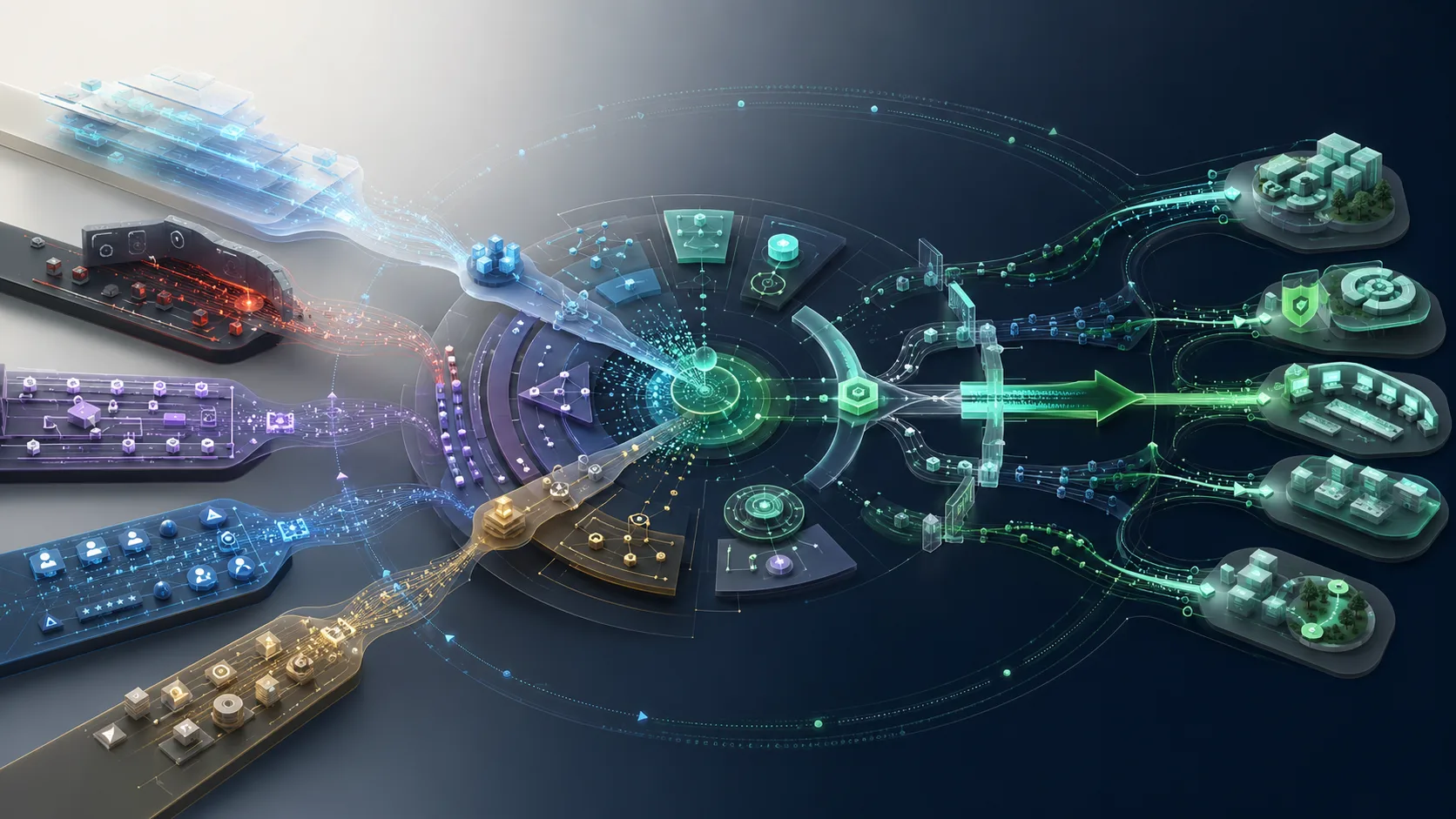
Telemetry Collection
Capture infrastructure signals, workflow telemetry, AI execution traces, and operational metrics continuously across enterprise environments.
Operational Intelligence
Transform telemetry into real-time operational visibility, orchestration insights, and infrastructure intelligence.
Governed Visibility
Enable runtime governance monitoring and operational traceability across autonomous enterprise AI systems.
Why AI Telemetry Matters in 2026
Enterprise AI ecosystems are becoming increasingly distributed across:
- Cloud-native infrastructure
- AI orchestration systems
- Operational AI workflows
- Developer platforms
- Cybersecurity operations
- AI agents
- Decision-routing systems
- Autonomous infrastructure environments
Without telemetry-driven operational visibility, enterprises rapidly lose control over infrastructure behavior and AI execution environments.
The Enterprise Visibility Gap
Traditional monitoring platforms were not designed for:
- AI workflow orchestration
- Distributed inference systems
- Operational AI telemetry
- AI governance visibility
- Autonomous decision pathways
- Cross-platform orchestration tracing
- Runtime AI infrastructure monitoring
The enterprises that operationalize AI telemetry most effectively will define the future of resilient enterprise AI infrastructure.
Core Components of AI Telemetry Platforms
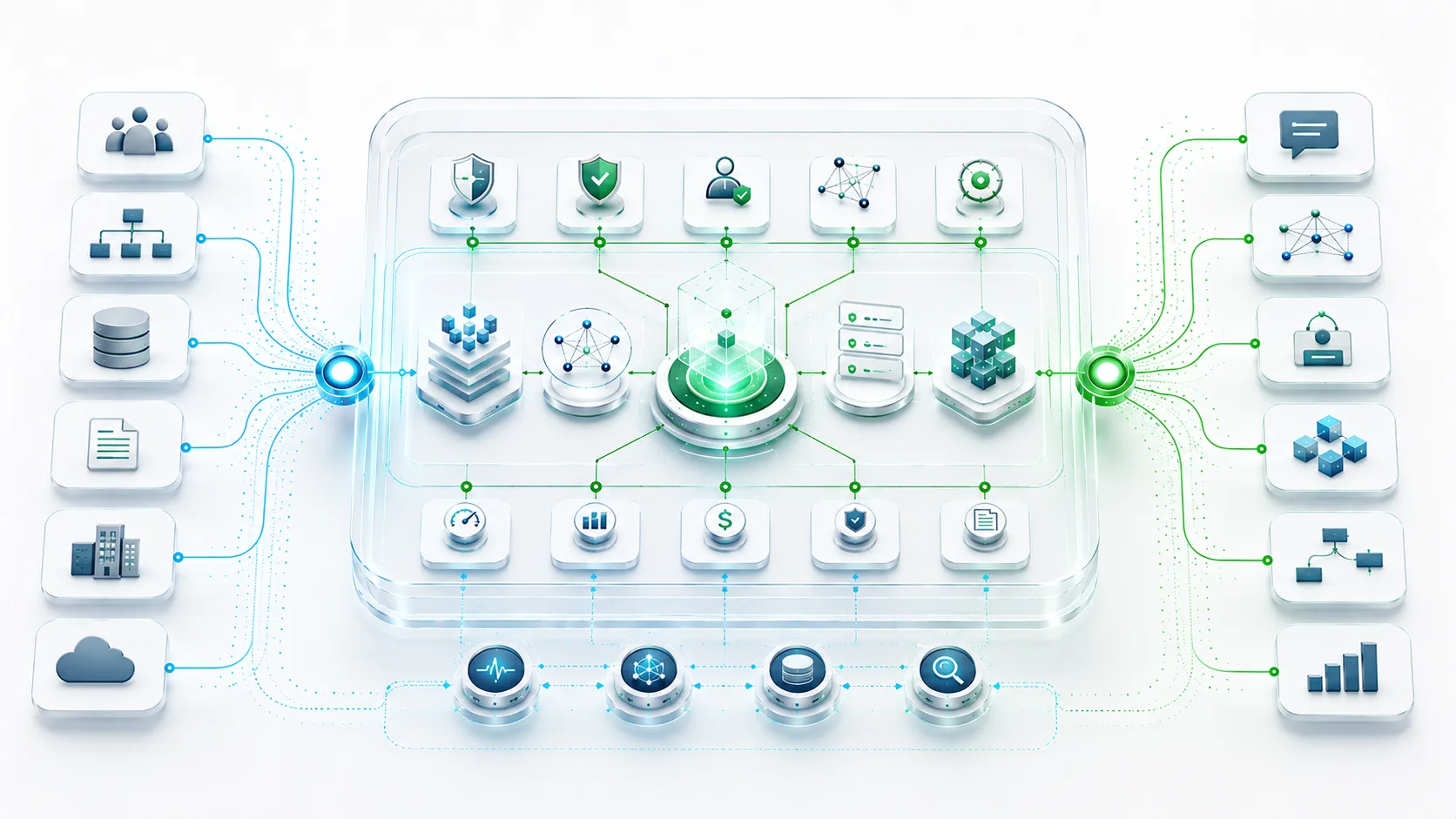
1. Distributed Telemetry Pipelines
Telemetry systems collect signals from:
- AI inference infrastructure
- Operational workflows
- Cloud-native services
- AI agents
- Orchestration systems
- Infrastructure APIs
- Governance engines
2. Operational Intelligence Engines
Operational intelligence layers provide:
- Infrastructure analytics
- Operational prioritization
- Runtime anomaly detection
- AI execution visibility
- Escalation intelligence
- Workflow coordination insights
3. Governance Visibility Systems
Governance telemetry systems monitor:
- Policy enforcement
- Infrastructure access patterns
- AI decision routing
- Operational escalation behavior
- Runtime governance violations
- Workflow execution boundaries
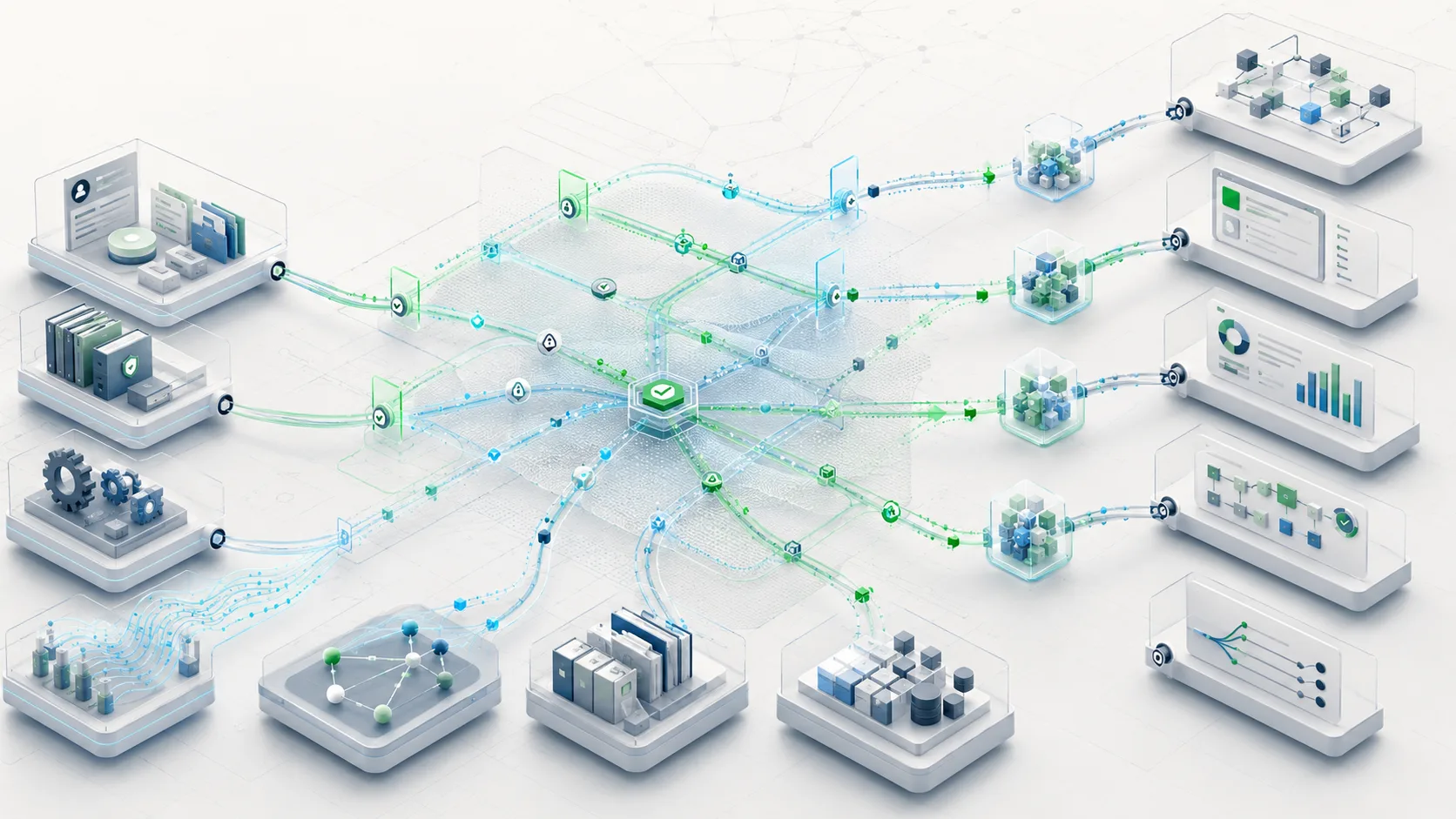
Real-Time Infrastructure Signals
Collect operational signals continuously across AI orchestration systems, cloud infrastructure, and enterprise automation environments.
Operational Visibility Coordination
Transform telemetry streams into infrastructure intelligence, governance visibility, and operational orchestration insights.
Enterprise Use Cases for AI Telemetry Platforms
Infrastructure Operations
Telemetry systems help enterprises:
- Monitor infrastructure stability
- Detect operational anomalies
- Track orchestration workflows
- Coordinate incident escalation
- Optimize infrastructure performance
AI Governance and Compliance
Operational intelligence platforms support:
- Runtime governance enforcement
- Decision traceability
- Infrastructure access monitoring
- Policy validation
- Operational risk visibility
AI Orchestration Systems
Operational telemetry enables:
- Workflow optimization
- Operational routing intelligence
- Cross-system coordination
- Runtime workflow validation
- Adaptive orchestration systems
Enterprise Architecture Perspective
AI Telemetry Platforms should be treated as foundational operational infrastructure rather than supplemental monitoring tooling.
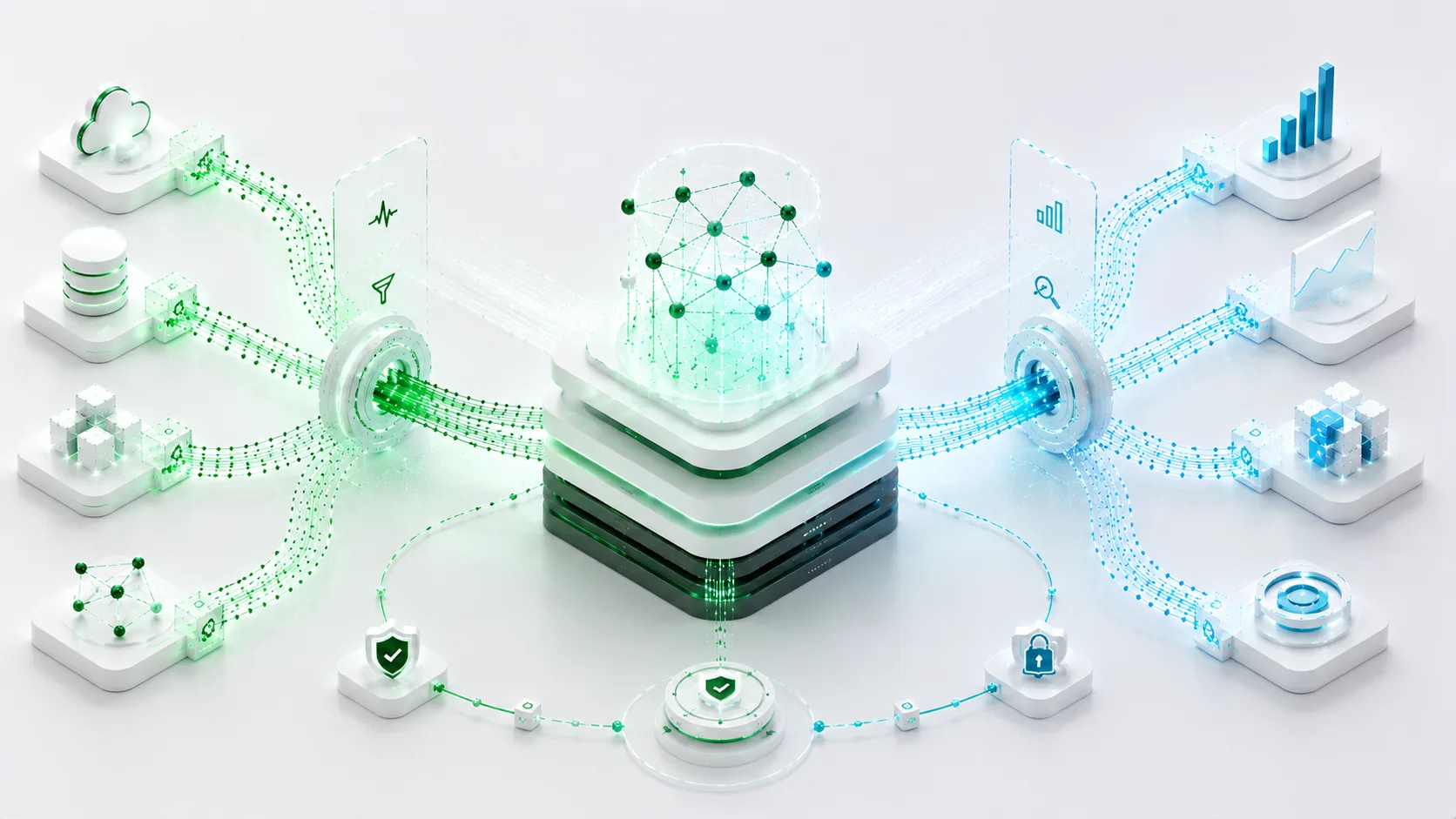
Enterprise telemetry architecture should include:
AI Telemetry Architecture Principles
- Observability-first operational architecture
- Distributed telemetry pipelines
- Runtime governance visibility
- Infrastructure anomaly detection
- Operational escalation coordination
- Cross-platform telemetry aggregation
- Policy-governed visibility systems
- AI execution traceability
The most operationally mature enterprises are embedding telemetry systems directly into orchestration infrastructure, governance systems, and AI operational platforms.
Operational Challenges Enterprises Face
Telemetry Scale Complexity
Enterprise AI systems generate massive operational telemetry volumes requiring:
- Scalable telemetry pipelines
- Real-time processing systems
- Operational analytics infrastructure
- Distributed monitoring coordination
Operational Fragmentation
Organizations frequently struggle with disconnected telemetry systems across:
- Cloud infrastructure
- AI platforms
- Security operations
- Operational tooling
- Developer systems
Governance Visibility Gaps
Enterprises often lack visibility into:
- Runtime policy enforcement
- Operational AI behavior
- Decision-routing systems
- Infrastructure escalation pathways
- Autonomous workflow execution
Telemetry Insight
The future of enterprise AI governance depends on operational visibility. Organizations cannot govern infrastructure they cannot continuously observe.
Implementation Checklist
Enterprise AI Telemetry Checklist
- Deploy centralized telemetry infrastructure
- Implement distributed operational tracing
- Deploy runtime anomaly detection systems
- Implement governance visibility monitoring
- Aggregate telemetry across platforms
- Deploy infrastructure observability systems
- Implement operational escalation intelligence
- Monitor AI orchestration workflows continuously
- Deploy operational intelligence analytics
- Implement AI decision traceability
- Operationalize telemetry governance standards
- Continuously validate AI operational behavior
Common Mistakes Enterprises Make
Treating Telemetry as Traditional Monitoring
Modern enterprise AI requires operational telemetry systems designed for orchestration visibility, governance monitoring, and runtime intelligence.
Ignoring Governance Visibility
Infrastructure telemetry without governance visibility creates operational blind spots.
Fragmented Telemetry Systems
Disconnected operational telemetry reduces orchestration visibility and infrastructure resilience.
The most resilient enterprise AI systems are not simply intelligent. They are continuously observable, operationally traceable, and telemetry-driven.
Key Takeaways
Telemetry Enables Operational Visibility
AI telemetry platforms provide the runtime visibility required for scalable enterprise AI operations.
Operational Intelligence Drives Governance
Operational intelligence systems enable governance visibility, escalation monitoring, and runtime coordination.
Telemetry Is Becoming Core AI Infrastructure
Telemetry and operational intelligence are evolving into foundational infrastructure layers for enterprise AI ecosystems.
How YggyTech Helps
YggyTech helps enterprises operationalize AI telemetry infrastructure through observability systems, operational intelligence platforms, telemetry architecture, governance monitoring, and resilient AI infrastructure engineering.
Our teams support:
- AI telemetry architecture
- Operational intelligence platforms
- Runtime governance visibility
- AI observability systems
- Infrastructure anomaly detection
- Distributed tracing systems
- Operational AI modernization
- Enterprise AI operational governance
Build Enterprise AI Telemetry Infrastructure with YggyTech
YggyTech helps enterprises deploy scalable telemetry and operational intelligence systems through observability architecture, governance visibility platforms, and resilient AI infrastructure engineering.
Schedule an AI Telemetry ConsultationFAQs
What are AI Telemetry Platforms?
AI Telemetry Platforms collect runtime operational signals, infrastructure telemetry, workflow traces, and governance visibility data across enterprise AI systems.
Why are AI Telemetry Platforms important in 2026?
They provide operational visibility into distributed AI systems, orchestration workflows, infrastructure behavior, and governance enforcement.
What is operational intelligence in enterprise AI?
Operational intelligence transforms telemetry into actionable infrastructure visibility, orchestration insights, anomaly detection, and governance coordination.
What are the biggest challenges in AI telemetry systems?
Key challenges include telemetry scale, operational fragmentation, governance visibility gaps, distributed infrastructure complexity, and runtime orchestration monitoring.
How does YggyTech help enterprises operationalize AI telemetry?
YggyTech helps organizations deploy telemetry architecture, operational intelligence platforms, governance monitoring systems, and resilient enterprise AI observability infrastructure.

Liam Walker
Product & AI Research Analyst
Liam researches emerging AI tools, automation workflows, and next-generation digital products. He contributes fresh perspectives on startup technology trends, AI productivity systems, and modern SaaS innovation for fast-growing companies.