The Future of Autonomous AI Workflows: How Enterprises Are Operationalizing Intelligent Systems in 2026
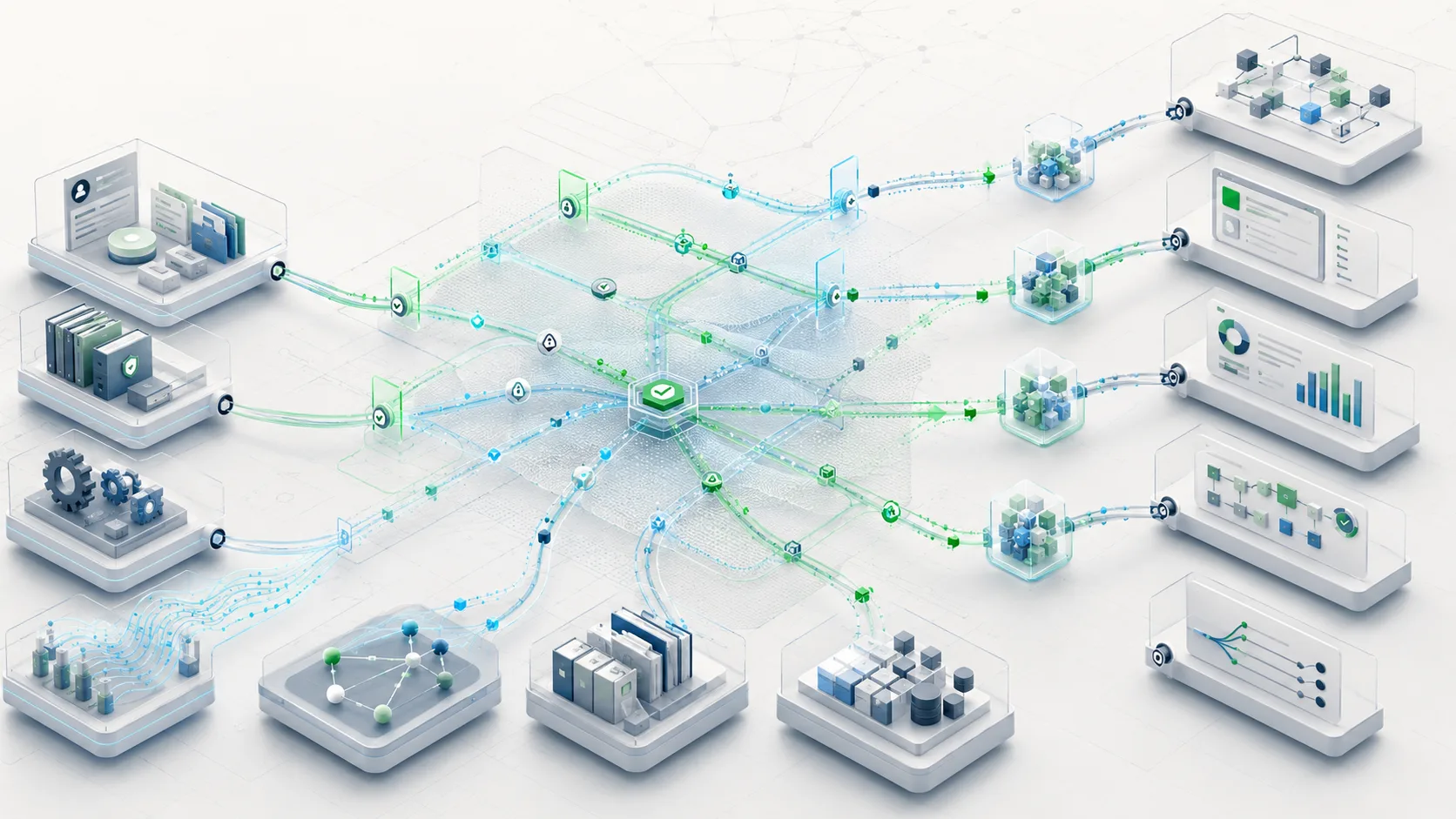
Enterprise AI is rapidly evolving from isolated automation tooling into operational infrastructure capable of orchestrating intelligent workflows across entire organizations. In 2026, Autonomous AI Workflows are becoming one of the most important architectural shifts in enterprise technology.
Organizations are increasingly deploying AI systems that can monitor infrastructure, coordinate operational tasks, execute workflows, escalate incidents, manage orchestration pipelines, route enterprise decisions, and adapt dynamically to changing operational conditions with minimal human intervention.
The future of enterprise AI is no longer centered solely on model intelligence. It is increasingly defined by orchestration intelligence — the ability for AI systems to coordinate operational workflows safely and reliably across enterprise infrastructure.
What Are Autonomous AI Workflows?
Autonomous AI Workflows are operational systems where AI agents, orchestration platforms, infrastructure automation systems, and intelligent decision engines coordinate tasks dynamically with minimal manual intervention.
Unlike traditional workflow automation systems that follow fixed procedural logic, autonomous workflows adapt continuously based on:
- Infrastructure telemetry
- Operational conditions
- Runtime governance policies
- Business priorities
- AI-generated decision pathways
- Security signals
- System anomalies
- Cross-platform orchestration data
The Shift From Automation to Autonomy
Traditional enterprise automation focuses on deterministic workflows.
Autonomous AI systems introduce:
- Adaptive orchestration
- Intelligent escalation
- Context-aware execution
- Dynamic infrastructure coordination
- Operational reasoning systems
- Runtime decision-making
Autonomous Orchestration
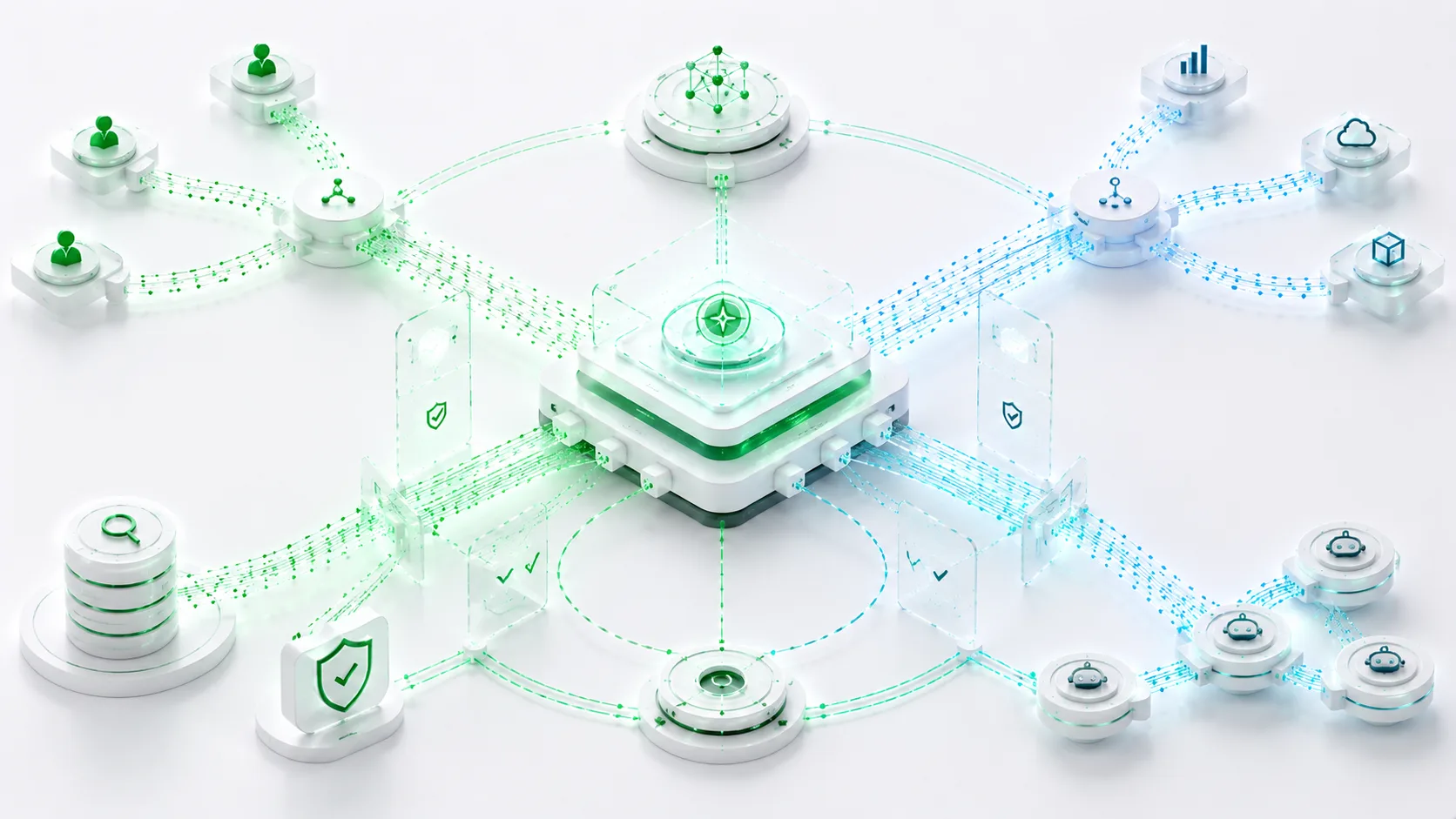
AI systems dynamically coordinate operational workflows across distributed infrastructure environments.
Runtime Adaptation
Workflow systems continuously adapt to infrastructure conditions, telemetry, and operational priorities.
Governed AI Operations
Autonomous workflows operate within policy-governed enterprise operational boundaries.
Why Autonomous AI Workflows Matter in 2026
Enterprise operational complexity is growing exponentially.
Organizations now manage:
- Distributed cloud infrastructure
- AI-powered customer operations
- Security orchestration systems
- Multi-agent operational workflows
- AI decision routing systems
- Infrastructure automation pipelines
- Operational telemetry streams
- Cross-platform orchestration environments
Manual coordination is increasingly unsustainable at enterprise scale.
Operational Intelligence at Scale
Autonomous AI workflows help enterprises:
- Reduce operational latency
- Accelerate infrastructure response times
- Improve workflow resilience
- Automate decision escalation
- Optimize orchestration systems
- Increase operational consistency
The future enterprise operating model is increasingly orchestration-driven rather than manually coordinated.
Core Components of Autonomous AI Workflows
1. AI Orchestration Systems
Orchestration layers coordinate:
- AI agents
- Infrastructure APIs
- Operational workflows
- Cloud systems
- Decision-routing engines
- Telemetry pipelines
2. AI Decision Systems
Decision systems enable:
- Context-aware execution
- Operational prioritization
- Intelligent escalation routing
- Adaptive workflow coordination
- Infrastructure optimization
3. Observability and Telemetry
Autonomous systems require continuous visibility into:
- Workflow execution
- Infrastructure health
- Runtime anomalies
- Operational latency
- Governance enforcement
- Escalation behavior
Distributed Workflow Coordination
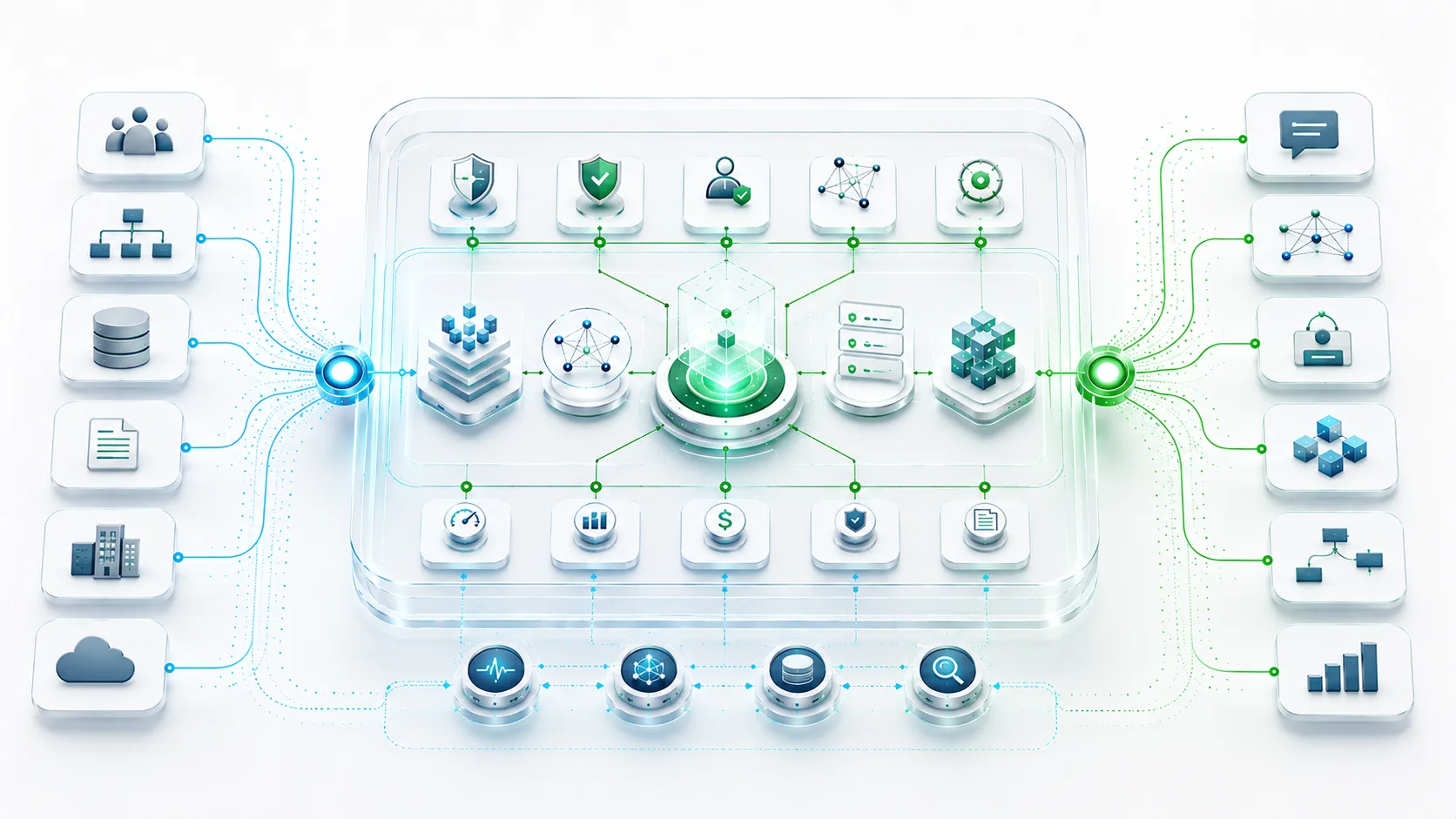
Coordinate AI agents, infrastructure systems, operational telemetry, and workflow execution across enterprise environments.
Operational Workflow Visibility
Continuously monitor autonomous execution pathways, governance systems, infrastructure telemetry, and workflow anomalies.
Enterprise Use Cases for Autonomous AI Workflows
Infrastructure Operations
AI systems increasingly automate:
- Cloud scaling decisions
- Infrastructure remediation
- Incident response orchestration
- Operational prioritization
- Deployment coordination
Cybersecurity Operations
Autonomous AI workflows support:
- Threat detection pipelines
- Security escalation systems
- Runtime risk prioritization
- Incident containment workflows
- Operational security orchestration
Developer Platform Operations
Platform engineering teams increasingly use autonomous workflows for:
- Infrastructure provisioning
- AI deployment orchestration
- Operational governance enforcement
- CI/CD optimization
- Runtime environment coordination
Enterprise Architecture Perspective
Autonomous AI Workflows should be treated as operational infrastructure systems rather than lightweight automation tooling.
Enterprise AI architecture should include:
Autonomous Workflow Architecture Principles
- Policy-governed orchestration
- Observability-first workflow systems
- Runtime governance enforcement
- Distributed telemetry pipelines
- Infrastructure resilience engineering
- Human escalation frameworks
- AI decision traceability
- Cross-platform interoperability
The most mature enterprises are operationalizing autonomous systems through platform engineering discipline, governance frameworks, and observability-driven orchestration.
Governance and Risk Challenges
Operational Visibility Gaps
Autonomous systems can create governance risks when enterprises lose visibility into:
- Decision pathways
- Escalation routing
- Infrastructure interactions
- Policy enforcement
- Operational anomalies
Infrastructure Complexity
Distributed AI workflows require coordination across:
- Cloud infrastructure
- Inference environments
- AI agents
- Operational APIs
- Enterprise security systems
Autonomous Risk Management
Enterprises must implement:
- Runtime governance
- Policy validation systems
- Human override frameworks
- Infrastructure isolation boundaries
- Continuous observability
Autonomy Insight
The future of enterprise AI autonomy depends not on removing humans completely, but on building intelligent escalation systems that combine automation with governance-driven oversight.
Implementation Checklist
Enterprise Autonomous Workflow Checklist
- Deploy orchestration-first AI architecture
- Implement runtime governance systems
- Deploy observability infrastructure
- Implement distributed telemetry pipelines
- Establish escalation governance frameworks
- Deploy AI decision traceability systems
- Standardize infrastructure orchestration APIs
- Implement policy-as-code controls
- Continuously validate workflow execution
- Deploy infrastructure resilience engineering
- Implement human override systems
- Operationalize autonomous risk management
Common Mistakes Enterprises Make
Over-Automating Without Governance
Autonomous workflows without runtime governance rapidly create operational risk exposure.
Ignoring Observability
Organizations frequently deploy autonomous systems without sufficient runtime visibility.
Fragmented Infrastructure Coordination
Disconnected infrastructure APIs and orchestration systems create workflow instability.
The future winners in enterprise AI will not simply deploy autonomous systems faster. They will operationalize autonomy more safely and more reliably.
Key Takeaways
Autonomous Workflows Are Becoming Core Infrastructure
AI orchestration systems are evolving into foundational enterprise operational infrastructure.
Governance Determines Scalability
Scalable autonomy depends on runtime governance, observability, and infrastructure discipline.
Operational Visibility Enables Trust
Enterprises require continuous visibility into autonomous workflow behavior and operational decision systems.
How YggyTech Helps
YggyTech helps enterprises operationalize Autonomous AI Workflows through orchestration architecture, governance frameworks, observability systems, infrastructure reliability engineering, and operational AI modernization.
Our teams support:
- AI orchestration architecture
- Autonomous workflow governance
- AI observability implementation
- Operational AI infrastructure
- Distributed telemetry systems
- Runtime governance engineering
- Infrastructure resilience modernization
- Enterprise AI operationalization
Operationalize Autonomous AI Systems with YggyTech
YggyTech helps enterprises deploy scalable autonomous AI infrastructure through orchestration systems, governance frameworks, observability architecture, and resilient operational AI engineering.
Schedule an AI Workflow ConsultationFAQs
What are Autonomous AI Workflows?
Autonomous AI Workflows are AI-driven operational systems that dynamically coordinate workflows, infrastructure actions, and enterprise decisions with minimal manual intervention.
Why are Autonomous AI Workflows important in 2026?
They help enterprises manage growing operational complexity through intelligent orchestration, workflow automation, and adaptive infrastructure coordination.
What infrastructure is required for autonomous AI workflows?
Enterprises require orchestration systems, observability platforms, governance frameworks, telemetry infrastructure, and resilient cloud-native operational architecture.
What are the biggest risks in autonomous AI operations?
Key risks include governance gaps, operational invisibility, infrastructure fragmentation, uncontrolled escalation, and autonomous workflow instability.
How does YggyTech help enterprises operationalize autonomous AI workflows?
YggyTech helps organizations deploy orchestration infrastructure, observability systems, governance frameworks, and scalable operational AI architecture for enterprise autonomy.

Ethan Brooks
Senior AI Systems Strategist
Ethan specializes in enterprise AI architecture, scalable automation systems, and intelligent workflow optimization. At YGGY Tech, he writes about practical AI implementation, cloud-native systems, and how modern businesses can eliminate operational fragmentation through intelligent infrastructure.