AI Orchestration Systems for Enterprise Operations: The Infrastructure Layer Behind Scalable Operational Intelligence
Enterprise AI environments are becoming increasingly distributed, operational, and autonomous. Organizations now manage AI agents, cloud-native workflows, operational decision systems, infrastructure automation pipelines, observability platforms, and AI-driven business operations across highly complex infrastructure ecosystems.
As enterprise AI systems expand, orchestration is emerging as the most important operational layer in modern AI architecture. In 2026, AI Orchestration Systems are rapidly becoming foundational infrastructure for coordinating intelligent workflows, autonomous operations, AI agents, runtime governance, and scalable enterprise AI execution.
The next generation of enterprise AI success will depend less on isolated AI capabilities and more on orchestration intelligence — the ability to coordinate operational systems safely, dynamically, and reliably across distributed infrastructure environments.
What Are AI Orchestration Systems?
AI Orchestration Systems are operational infrastructure platforms responsible for coordinating AI workflows, infrastructure actions, operational decision systems, autonomous agents, cloud services, and runtime governance across enterprise environments.
These systems manage:
- Workflow coordination
- AI agent communication
- Operational decision routing
- Infrastructure automation
- Telemetry-driven execution
- Runtime governance enforcement
- Cross-platform orchestration
- Escalation management
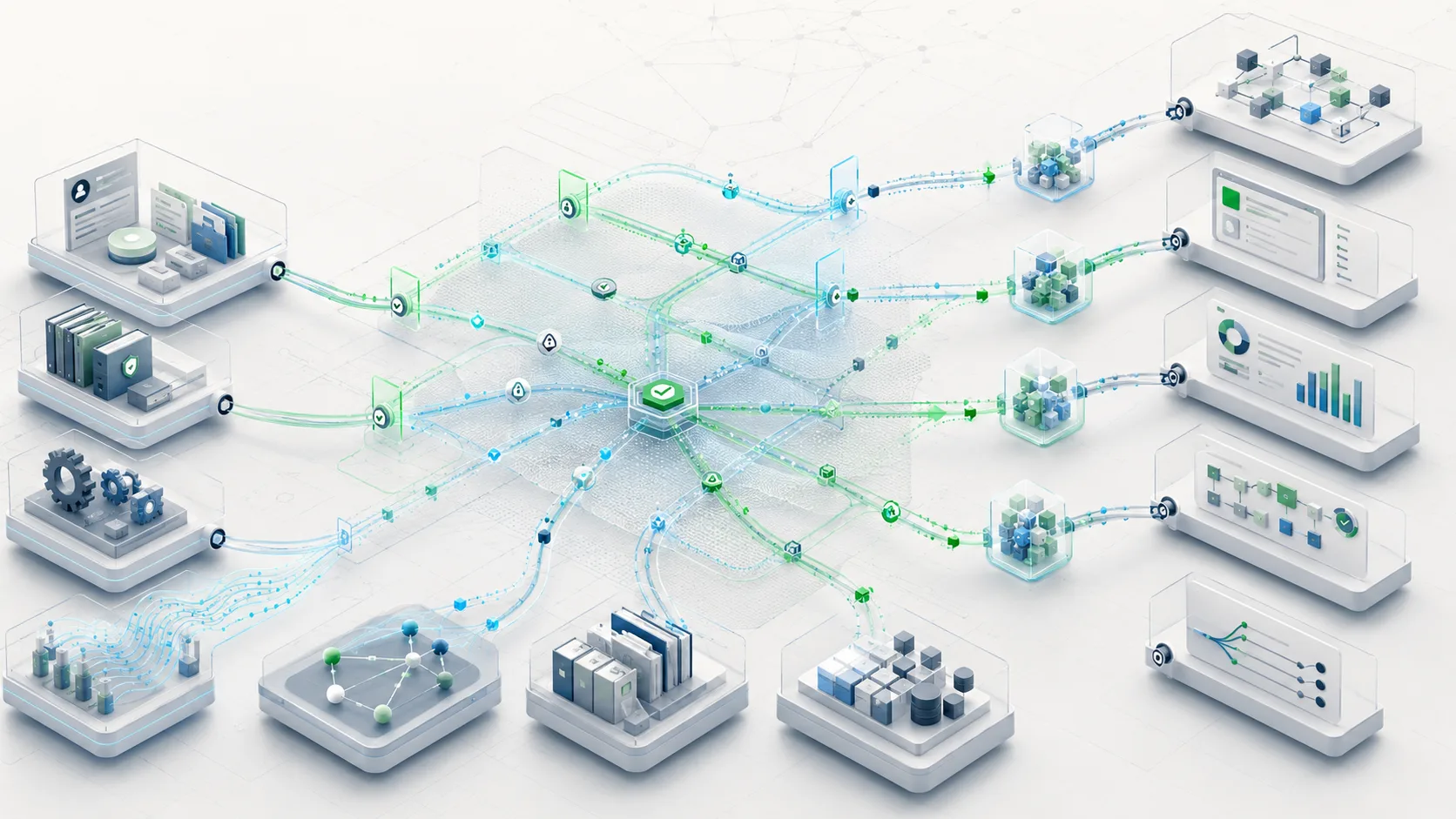
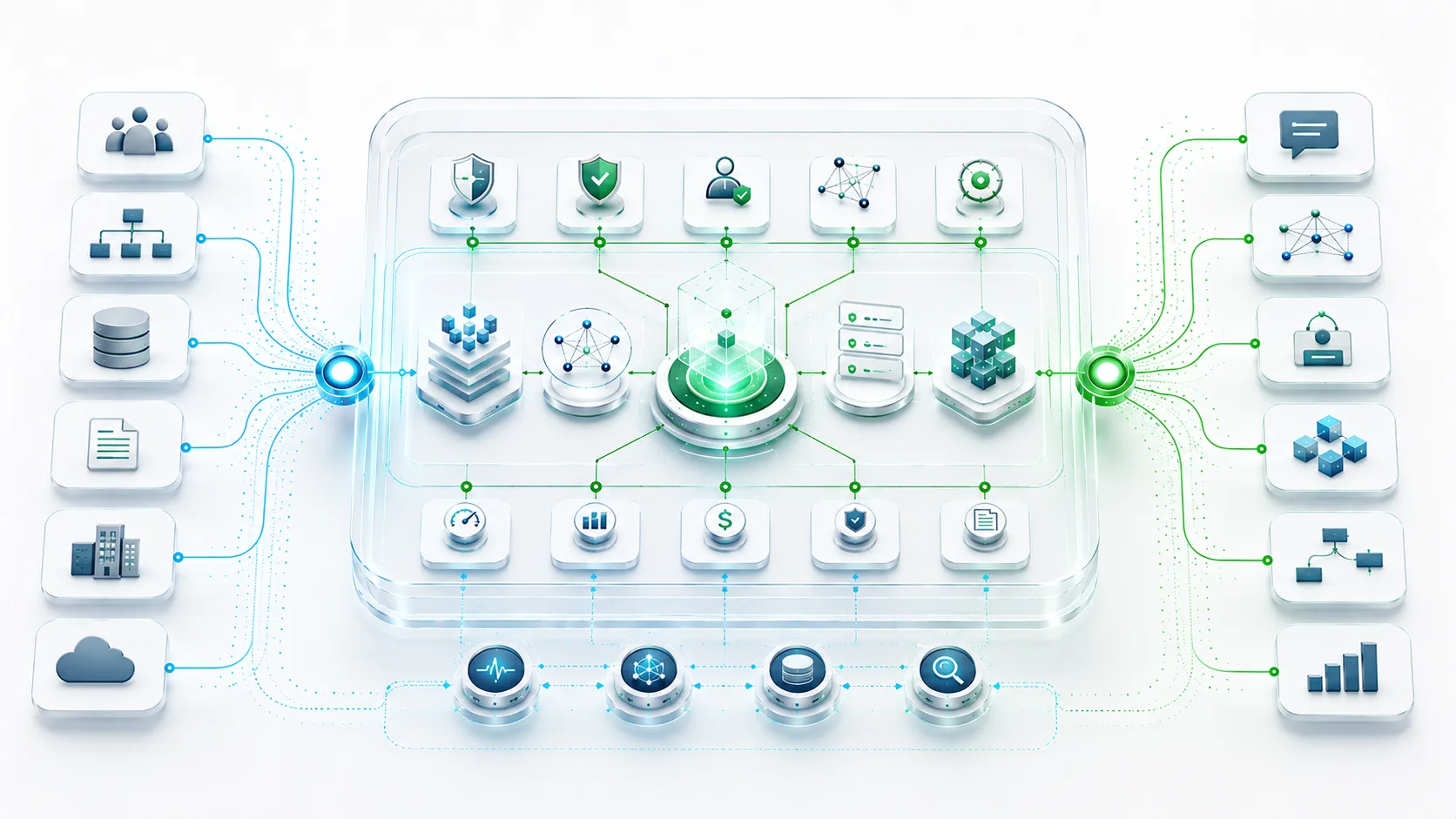
Modern orchestration platforms are becoming the operational nervous system of enterprise AI ecosystems.
Workflow Coordination
Synchronize AI agents, operational systems, infrastructure workflows, and enterprise automation environments.
Runtime Intelligence
Adapt workflow execution dynamically using infrastructure telemetry, governance policies, and operational signals.
Governed Automation
Enforce operational governance and policy validation across autonomous enterprise workflows.
Why AI Orchestration Matters in 2026
Enterprise operations are becoming increasingly fragmented across:
- Cloud-native infrastructure
- AI agents
- Developer platforms
- Operational telemetry systems
- Cybersecurity workflows
- Business automation pipelines
- Distributed AI services
- Infrastructure APIs
Without orchestration systems, enterprise AI environments rapidly become operationally unstable.
From Automation to Operational Coordination
Traditional automation systems execute predefined tasks.
AI orchestration systems instead provide:
- Adaptive workflow routing
- Context-aware orchestration
- Operational prioritization
- AI-driven escalation systems
- Dynamic infrastructure coordination
- Runtime execution optimization
The future enterprise operating model is orchestration-first — where intelligent systems coordinate infrastructure, workflows, and operational decisions continuously.
Core Components of AI Orchestration Systems
1. Workflow Orchestration Engines
Workflow orchestration layers coordinate:
- AI agent execution
- Infrastructure actions
- Cloud orchestration
- Operational task routing
- Escalation workflows
- Decision coordination
2. AI Decision Routing Systems
Decision orchestration systems manage:
- Context-aware execution
- Operational prioritization
- Intelligent escalation
- Runtime adaptation
- Infrastructure optimization
3. Telemetry and Observability Layers
Orchestration systems depend heavily on:
- Infrastructure telemetry
- Operational observability
- Workflow execution tracing
- Runtime governance visibility
- Infrastructure anomaly detection
- Operational health monitoring
Distributed Operational Coordination
Coordinate AI systems, operational workflows, infrastructure automation, and governance systems across distributed enterprise environments.
Runtime Policy Enforcement
Enforce governance boundaries and operational policies dynamically during workflow execution.
Enterprise Use Cases for AI Orchestration
Cloud Infrastructure Operations
AI orchestration systems increasingly automate:
- Cloud scaling coordination
- Infrastructure remediation
- Deployment orchestration
- Operational prioritization
- Incident escalation routing
Cybersecurity Orchestration
Security operations use orchestration systems for:
- Threat-response coordination
- Security telemetry routing
- Incident containment workflows
- Runtime security escalation
- Operational risk prioritization
AI Agent Coordination
Modern orchestration platforms increasingly coordinate:
- Multi-agent workflows
- Inference routing
- Agent collaboration systems
- Operational execution pathways
- Context-sharing infrastructure
Enterprise Architecture Perspective
AI Orchestration Systems should be treated as foundational operational infrastructure rather than lightweight workflow tooling.
Enterprise orchestration architecture should include:
AI Orchestration Architecture Principles
- Orchestration-first operational design
- Runtime governance enforcement
- Observability-driven coordination
- Distributed telemetry systems
- Policy-governed workflow execution
- Infrastructure resilience engineering
- Human escalation frameworks
- Cross-platform interoperability
The most mature enterprises are operationalizing orchestration systems as strategic operational platforms rather than isolated automation layers.
Governance and Operational Challenges
Operational Visibility
Enterprises must maintain visibility into:
- Workflow execution pathways
- Operational escalations
- Infrastructure interactions
- AI decision routing
- Runtime governance enforcement
Infrastructure Fragmentation
Distributed operational environments create orchestration challenges across:
- Cloud providers
- Infrastructure APIs
- AI services
- Operational tooling
- Developer platforms
Governance Complexity
Autonomous orchestration systems require:
- Runtime policy enforcement
- Infrastructure isolation
- Operational escalation systems
- Continuous observability
- Human override capabilities
Orchestration Insight
The future of enterprise AI is not defined by isolated intelligent systems. It is defined by how effectively enterprises orchestrate intelligence across operational infrastructure.
Implementation Checklist
Enterprise AI Orchestration Checklist
- Deploy orchestration-first AI architecture
- Implement distributed workflow coordination
- Deploy runtime governance systems
- Standardize infrastructure orchestration APIs
- Implement observability-driven operations
- Deploy operational telemetry pipelines
- Implement AI decision traceability
- Deploy infrastructure resilience systems
- Operationalize human escalation frameworks
- Implement policy-as-code enforcement
- Continuously validate orchestration workflows
- Integrate orchestration into enterprise platform engineering
Common Mistakes Enterprises Make
Treating Orchestration as Simple Automation
Modern orchestration systems require governance, observability, runtime intelligence, and operational coordination capabilities.
Ignoring Runtime Governance
Autonomous orchestration without governance rapidly creates operational risk.
Fragmented Operational Infrastructure
Disconnected APIs and infrastructure systems reduce orchestration reliability and operational resilience.
The enterprises that operationalize orchestration most successfully will define the future of AI-driven enterprise operations.
Key Takeaways
Orchestration Is Becoming Core Infrastructure
AI orchestration systems are evolving into foundational operational infrastructure for enterprise AI environments.
Governance Determines Scalability
Scalable orchestration depends on runtime governance, observability, and infrastructure discipline.
Operational Intelligence Requires Coordination
The future of enterprise AI depends on coordinating intelligent systems across distributed operational environments.
How YggyTech Helps
YggyTech helps enterprises operationalize AI Orchestration Systems through orchestration architecture, governance frameworks, observability systems, infrastructure reliability engineering, and operational AI modernization.
Our teams support:
- AI orchestration architecture
- Operational workflow coordination
- AI governance implementation
- Distributed telemetry systems
- Infrastructure resilience engineering
- Operational AI modernization
- Observability platform deployment
- Enterprise AI operationalization
Operationalize Enterprise AI Orchestration with YggyTech
YggyTech helps organizations deploy scalable orchestration infrastructure through operational AI architecture, governance systems, observability platforms, and resilient enterprise orchestration engineering.
Schedule an AI Orchestration ConsultationFAQs
What are AI Orchestration Systems?
AI Orchestration Systems coordinate workflows, AI agents, infrastructure automation, operational decision systems, and enterprise governance across distributed environments.
Why are AI Orchestration Systems important in 2026?
They help enterprises coordinate increasingly complex AI operations, autonomous workflows, infrastructure automation, and operational decision systems.
What infrastructure is required for AI orchestration?
Enterprises require orchestration platforms, observability systems, governance frameworks, telemetry pipelines, resilient infrastructure, and cross-platform operational APIs.
What are the biggest risks in AI orchestration systems?
Key risks include governance failures, operational invisibility, fragmented infrastructure coordination, escalation instability, and uncontrolled automation.
How does YggyTech help enterprises operationalize AI orchestration?
YggyTech helps organizations deploy orchestration infrastructure, governance systems, observability platforms, and resilient enterprise AI operational architecture.

Mason Carter
Cloud & Infrastructure Engineer
Mason focuses on scalable cloud ecosystems, DevOps modernization, and secure distributed infrastructure. His insights at YGGY Tech explore resilient architecture design, Kubernetes operations, cybersecurity strategy, and enterprise scalability.