AI Platform Teams: The Enterprise Operating Model Behind Scalable AI Infrastructure
As enterprise AI adoption accelerates, organizations are discovering that AI success is no longer driven by isolated experimentation or disconnected machine learning initiatives. Sustainable AI transformation now depends on operational maturity, scalable infrastructure, governance systems, and standardized platform engineering practices.
This shift has given rise to AI Platform Teams — specialized enterprise engineering organizations responsible for building, governing, scaling, and operationalizing internal AI infrastructure across the business. In 2026, these teams are rapidly becoming the operational backbone of enterprise AI maturity.
The enterprises succeeding with AI at scale are not simply deploying better models. They are building platform-driven operational systems that standardize AI infrastructure, governance, orchestration, and developer workflows across the organization.
What Are AI Platform Teams?
AI Platform Teams are specialized enterprise engineering teams responsible for designing and operating shared AI infrastructure platforms that enable developers, product teams, operations groups, and enterprise stakeholders to build and deploy AI systems safely and efficiently.
These teams function similarly to modern platform engineering organizations, but with additional responsibilities around:
- LLMOps infrastructure
- AI governance systems
- Model orchestration
- AI observability
- Inference infrastructure
- AI security controls
- Autonomous operational systems
- AI developer enablement
The Evolution of Enterprise AI Operations
Many enterprises initially treated AI as an isolated innovation initiative owned by small data science teams.
That operating model no longer scales.
Modern enterprise AI environments require:
- Shared operational infrastructure
- Governed AI workflows
- Reusable AI services
- Standardized orchestration systems
- Cross-functional enablement
- Platform-driven operational consistency
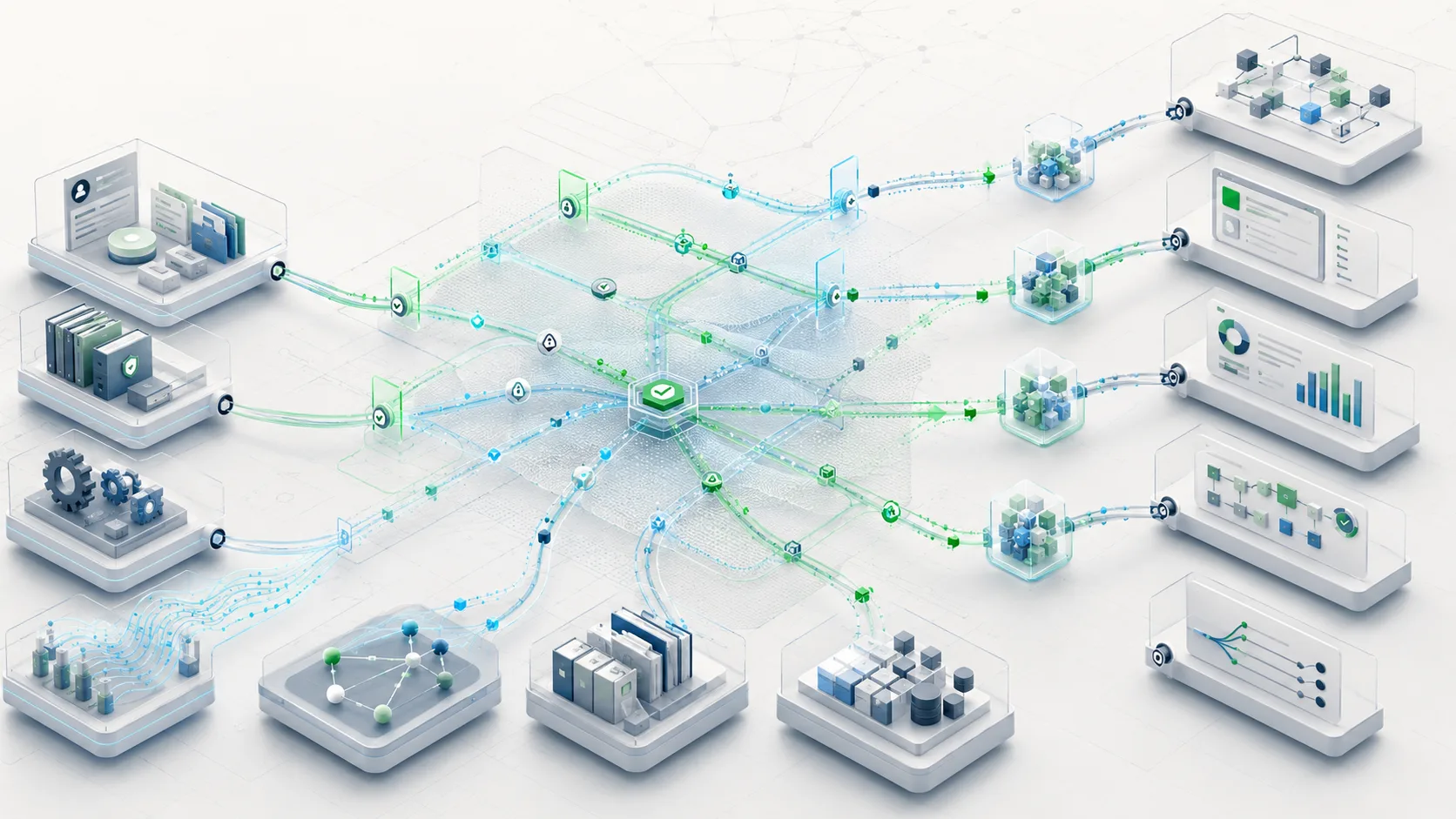
Infrastructure Standardization
Centralize AI tooling, orchestration, governance, and infrastructure operations across enterprise environments.
Developer Enablement
Provide self-service AI infrastructure, reusable workflows, and governed AI operational frameworks.
Operational Governance
Ensure scalable AI operations remain observable, secure, resilient, and compliant.
Why AI Platform Teams Matter in 2026
Enterprise AI systems are becoming operational infrastructure rather than isolated software features.
Organizations now manage:
- Multi-model AI ecosystems
- Distributed inference infrastructure
- AI agents and orchestration systems
- AI governance requirements
- Enterprise decision systems
- Cross-functional AI operations
- AI observability pipelines
- Cloud-native AI platforms
Without centralized platform engineering teams, these environments become fragmented, inconsistent, and operationally unstable.
The future of enterprise AI is increasingly platform-driven. AI maturity now depends less on isolated model experimentation and more on operational infrastructure discipline.
Core Responsibilities of AI Platform Teams
1. AI Infrastructure Management
AI Platform Teams manage:
- GPU infrastructure
- Inference environments
- Cloud AI orchestration
- Kubernetes AI workloads
- Vector infrastructure
- Distributed model serving
- Infrastructure resilience systems
2. LLMOps and Operational AI
These teams operationalize:
- Prompt management systems
- Model lifecycle orchestration
- Inference optimization
- AI routing systems
- Evaluation frameworks
- Operational AI governance
- AI deployment workflows
3. Governance and Security
Modern AI Platform Teams also enforce:
- Runtime AI governance
- Policy enforcement
- AI observability
- Auditability systems
- Access controls
- Data governance
- Operational compliance
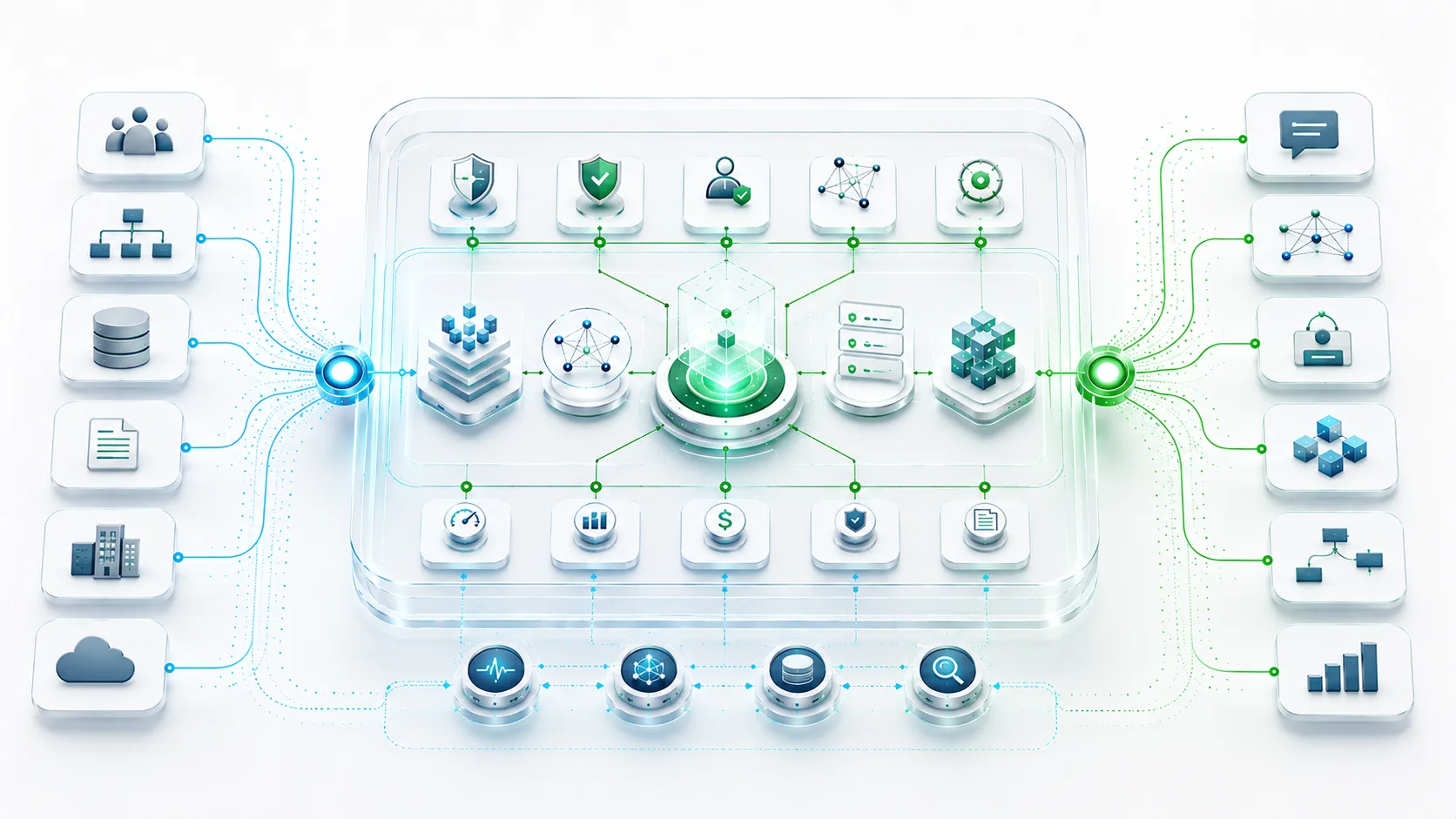
Scalable AI Infrastructure
Centralized orchestration systems standardize AI deployment, inference, governance, and infrastructure operations across enterprise environments.
Internal AI Developer Platforms
Enable developers and enterprise teams to build AI systems safely through self-service operational infrastructure.
AI Platform Team Structure
The structure of AI Platform Teams varies across organizations, but mature enterprise environments typically include:
Platform Engineering Specialists
- Cloud infrastructure engineers
- Kubernetes specialists
- Infrastructure automation engineers
- Platform operations teams
Operational AI Teams
- LLMOps engineers
- Inference optimization teams
- Model orchestration engineers
- AI observability specialists
Governance and Security Teams
- AI governance specialists
- Security engineers
- Compliance architects
- Operational risk teams
Enterprise Architecture Perspective
AI Platform Teams should be treated as strategic operational infrastructure organizations rather than support functions.
Their role is to establish:
AI Platform Architecture Principles
- Infrastructure abstraction layers
- Policy-governed AI operations
- Self-service AI infrastructure
- Event-driven orchestration
- Observability-first operations
- Runtime governance systems
- Cross-platform interoperability
- Scalable operational resilience
The most mature enterprises are building AI platforms as internal operational products designed to support long-term AI transformation across the organization.
Challenges AI Platform Teams Must Solve
Infrastructure Fragmentation
Disconnected AI tooling creates operational inconsistency and governance gaps.
Governance Complexity
AI operational governance becomes increasingly difficult as enterprises deploy autonomous systems and AI decision workflows.
Operational Visibility
AI environments require observability across:
- Inference systems
- Operational AI workflows
- Infrastructure telemetry
- Autonomous orchestration
- Policy execution
- Runtime infrastructure health
Platform Engineering Insight
The primary purpose of AI Platform Teams is not simply infrastructure management. It is reducing operational complexity across enterprise AI ecosystems.
Implementation Checklist
Enterprise AI Platform Team Checklist
- Centralize AI infrastructure operations
- Implement internal AI developer platforms
- Standardize orchestration systems
- Deploy AI governance frameworks
- Implement observability infrastructure
- Standardize AI deployment workflows
- Deploy runtime policy enforcement
- Establish operational AI reliability metrics
- Implement self-service infrastructure systems
- Standardize AI security controls
- Deploy operational telemetry pipelines
- Continuously optimize infrastructure resilience
Common Mistakes Enterprises Make
Treating AI as Isolated Innovation
AI maturity requires operational platforms, not disconnected experimentation initiatives.
Ignoring Operational Governance
AI environments without governance rapidly become operationally unstable.
Lack of Platform Standardization
Fragmented tooling creates reliability problems, infrastructure inconsistency, and developer friction.
The enterprises scaling AI most successfully are not simply deploying more models. They are operationalizing AI through platform engineering discipline.
Key Takeaways
AI Platforms Are Becoming Core Infrastructure
Enterprises increasingly rely on centralized AI operational systems rather than isolated AI tooling.
Platform Teams Enable Scalable AI Operations
Operational maturity depends on governance, orchestration, observability, and infrastructure consistency.
Developer Enablement Drives Adoption
Internal AI platforms reduce friction and accelerate governed enterprise AI deployment.
How YggyTech Helps
YggyTech helps enterprises design and operationalize scalable AI Platform Teams through infrastructure modernization, AI governance systems, platform engineering frameworks, and operational AI architecture.
Our teams support:
- AI platform architecture design
- Enterprise LLMOps systems
- Cloud-native AI operations
- AI observability implementation
- Operational AI governance
- Internal AI developer platforms
- AI infrastructure modernization
- Operational resilience engineering
Build Scalable Enterprise AI Platforms with YggyTech
YggyTech helps enterprises operationalize AI infrastructure through platform engineering systems, governance frameworks, observability architecture, and cloud-native operational intelligence.
Schedule an AI Platform ConsultationFAQs
What are AI Platform Teams?
AI Platform Teams are enterprise engineering organizations responsible for building and operating shared AI infrastructure, orchestration systems, governance frameworks, and developer enablement platforms.
Why are AI Platform Teams important?
They help enterprises standardize AI operations, reduce infrastructure fragmentation, improve governance, and accelerate scalable AI deployment.
How do AI Platform Teams support enterprise AI operations?
They manage AI infrastructure, LLMOps systems, orchestration frameworks, observability pipelines, governance controls, and developer enablement platforms.
What challenges do AI Platform Teams solve?
They address operational complexity, governance enforcement, infrastructure standardization, observability, scalability, and AI operational reliability.
How does YggyTech help enterprises build AI Platform Teams?
YggyTech helps organizations operationalize enterprise AI infrastructure through platform engineering, governance systems, observability architecture, and scalable operational AI frameworks.

Maheer Alishba
Data & Automation Consultant
Maheer writes about data engineering, AI-powered analytics, and intelligent business automation. Her content helps organizations understand how to transform fragmented operational data into measurable business intelligence and predictive systems.