Why AI Decision Systems Fail at Scale — And How Enterprise Architecture Teams Prevent Operational Collapse
AI Decision Systems are becoming foundational to modern enterprise operations. Organizations are increasingly deploying intelligent orchestration systems capable of routing workflows, prioritizing infrastructure actions, automating security responses, scaling cloud workloads, coordinating AI agents, and optimizing enterprise operations in real time.
But despite enormous investment in operational AI systems, many enterprises still fail to scale these environments reliably. AI Decision Systems often perform effectively during pilots yet collapse under production complexity due to governance gaps, infrastructure fragmentation, poor observability, operational immaturity, and architectural weaknesses.
Most AI Decision Systems do not fail because of insufficient AI intelligence. They fail because enterprises underestimate the operational architecture required to govern intelligent systems at scale.
Why AI Decision Systems Break Under Scale
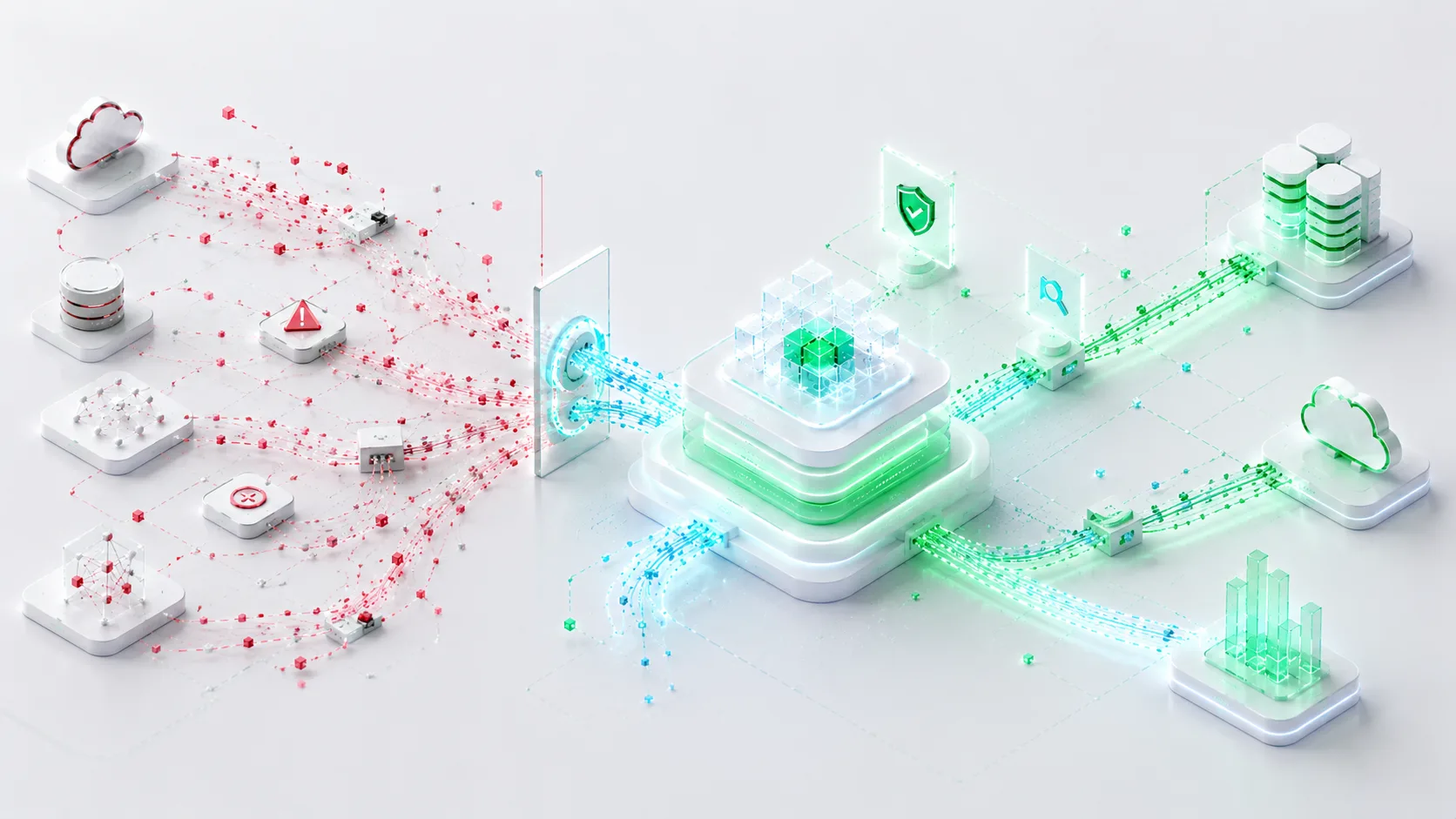
Enterprise operational environments are inherently chaotic. Infrastructure events, security telemetry, workflow automation, cloud orchestration, API activity, observability streams, and AI inference pipelines continuously generate operational pressure.
When AI Decision Systems are introduced into this environment without strong operational architecture, small weaknesses compound rapidly into large-scale operational instability.
The Scaling Illusion
Many organizations mistakenly assume that if an AI decision workflow succeeds in a controlled environment, it will naturally scale into production operations.
In reality, scale introduces:
- Infrastructure unpredictability
- Signal overload
- Governance complexity
- Decision conflicts
- Operational latency
- Escalation bottlenecks
- Cross-platform orchestration failures
- Autonomous system drift
The operational challenge is not simply building intelligent AI systems. It is building governed systems capable of remaining reliable under unpredictable enterprise conditions.
1. Weak Operational Architecture
The most common reason AI Decision Systems fail is weak enterprise architecture.
Organizations frequently build isolated decision workflows without designing:
- Scalable orchestration infrastructure
- Event-driven operational pipelines
- Decision governance layers
- Operational resilience systems
- Infrastructure observability
- Cross-platform interoperability
- Runtime validation controls
Disconnected Operational Systems
AI Decision Systems often become fragmented across:
- Cloud platforms
- Security tooling
- Developer workflows
- Infrastructure APIs
- Business operations
- Autonomous AI agents
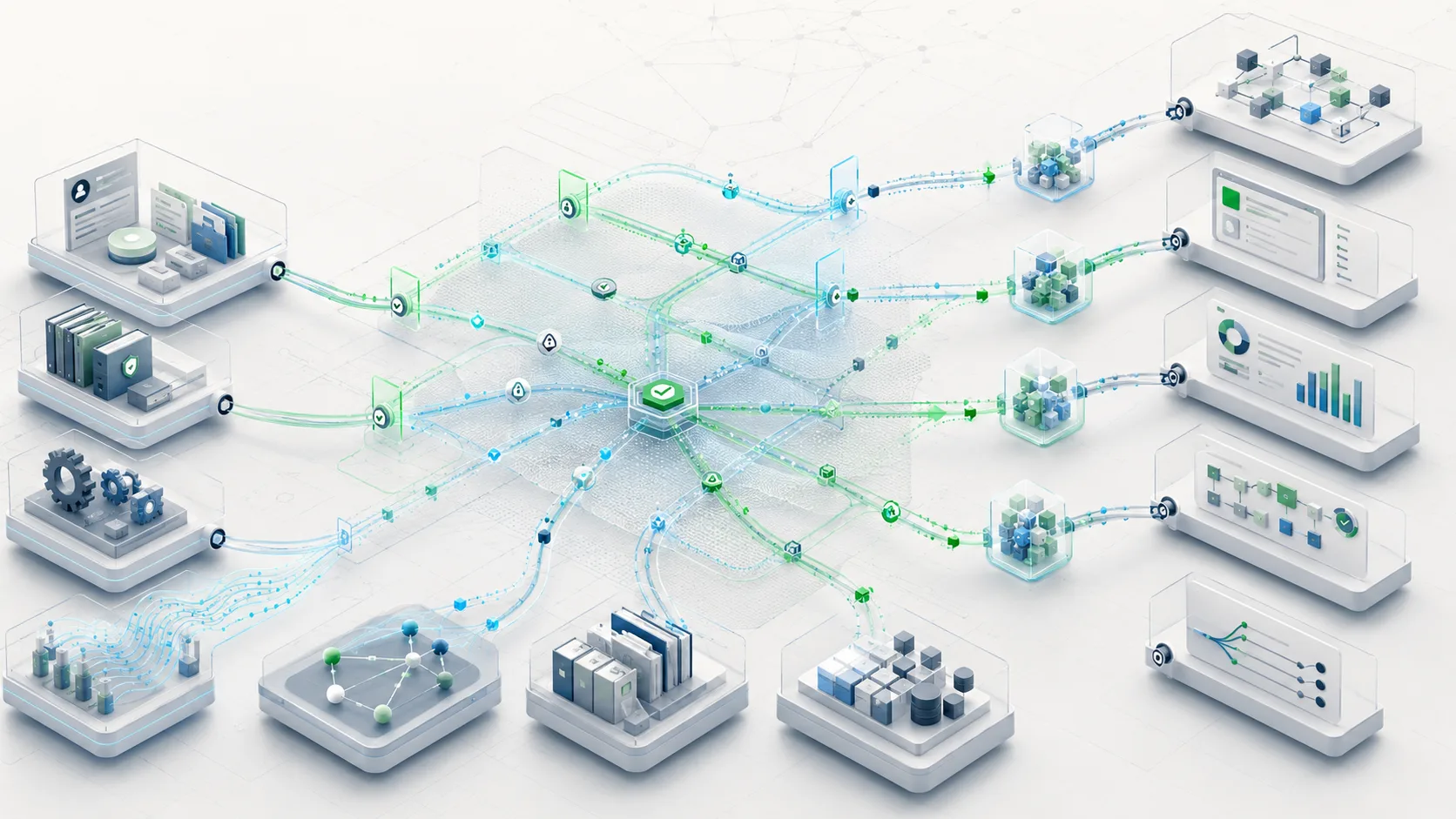
Without centralized orchestration standards, these systems become operationally unstable as enterprise complexity increases.
Scalable Decision Architecture
Event-driven orchestration, centralized governance, observability, and runtime reliability engineering.
Fragile Decision Systems
Disconnected workflows, governance gaps, infrastructure fragmentation, and uncontrolled operational autonomy.
2. Lack of AI Decision Governance
Operational AI systems require governance far beyond traditional AI model controls.
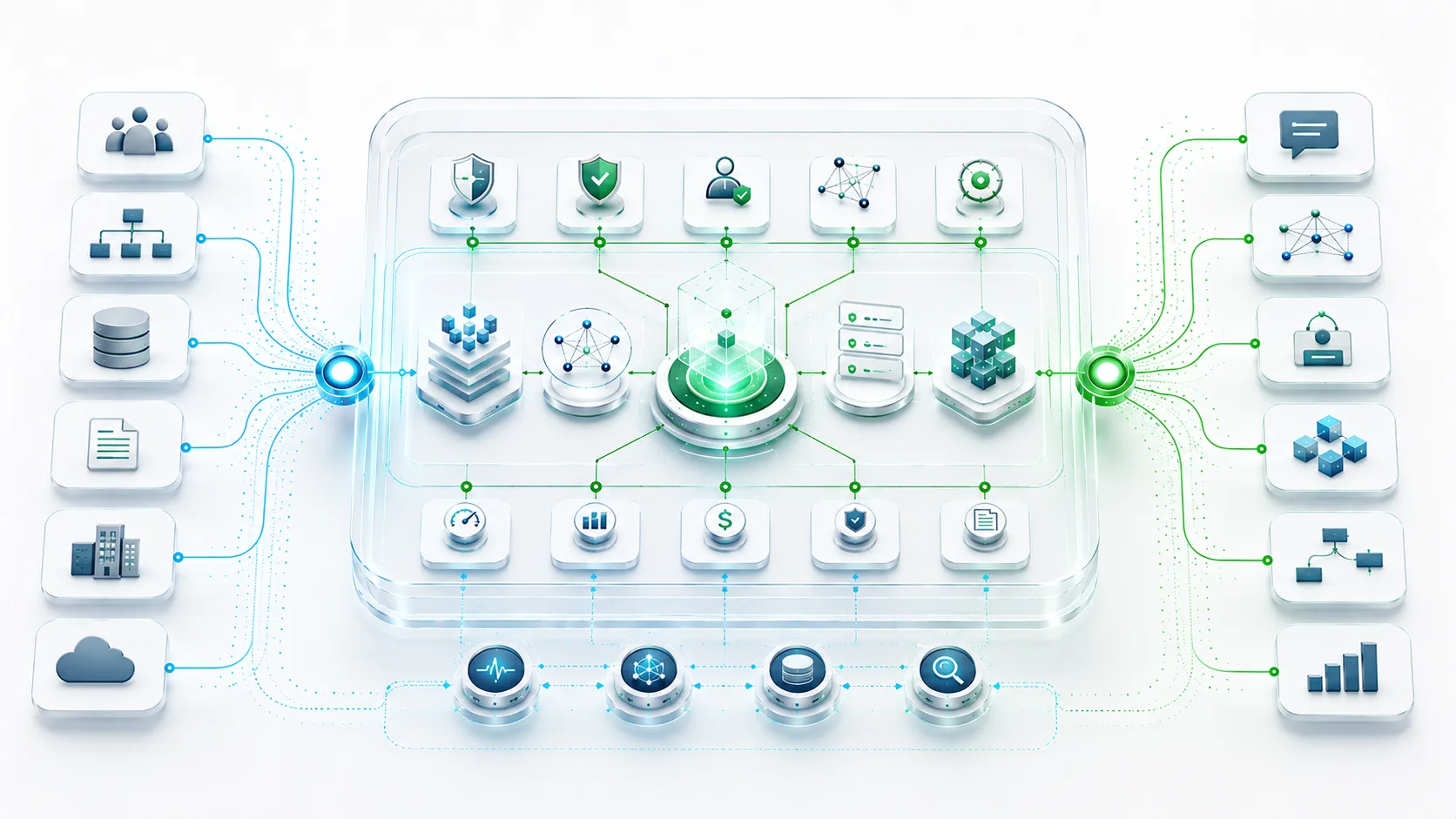
Decision governance includes:
- Runtime authorization policies
- Decision traceability
- Escalation frameworks
- Human override systems
- Policy enforcement engines
- Autonomous action boundaries
- Operational audit logging
Governance Failure Patterns
Common governance failures include:
- Unauthorized autonomous actions
- Untraceable decisions
- Policy conflicts
- Escalation deadlocks
- Operational compliance violations
- Infrastructure access exposure
Governance Insight
Enterprises often focus heavily on model governance while underestimating operational decision governance — the systems responsible for determining how autonomous infrastructure actions occur in production environments.
3. Poor Observability and Decision Visibility
One of the most dangerous enterprise AI failure patterns is operational invisibility.
Many organizations deploy autonomous operational systems without sufficient visibility into:
- Decision pathways
- Infrastructure interactions
- Policy execution
- Escalation routing
- Runtime anomalies
- Workflow conflicts
- Autonomous system behavior
Why AI Observability Matters
Modern AI observability systems monitor:
- Operational decision latency
- Infrastructure health
- Decision drift
- Policy compliance
- Runtime anomalies
- Workflow execution failures
- Autonomous escalation behavior
Runtime Operational Visibility
Continuously monitor AI decision behavior, orchestration pipelines, and infrastructure execution paths across enterprise operations.
Operational Decision Resilience
Prevent cascading operational failures through resilient orchestration and intelligent escalation systems.
4. Infrastructure Fragmentation
Enterprise AI Decision Systems depend heavily on infrastructure consistency.
Fragmented environments create:
- Inconsistent APIs
- Workflow incompatibilities
- Operational latency
- Signal routing failures
- Security exposure
- Infrastructure bottlenecks
Platform Engineering Is Critical
Successful enterprises standardize:
- Infrastructure APIs
- Decision orchestration pipelines
- Governance frameworks
- Cloud operations
- Observability systems
- Operational telemetry
Operational AI systems fail less from insufficient intelligence and more from inconsistent infrastructure orchestration.
Enterprise Architecture Perspective
AI Decision Systems should be designed as operational infrastructure platforms rather than isolated AI features.
Architecture teams must focus on:
Operational Architecture Principles
- Event-driven orchestration
- Policy-governed execution
- Infrastructure abstraction layers
- Observability-first operations
- Resilient escalation systems
- Runtime validation controls
- Human-in-the-loop governance
- Cross-platform interoperability
The most resilient enterprises treat operational intelligence as core infrastructure architecture rather than a lightweight automation layer.
Security and Reliability Risks
Autonomous Infrastructure Risk
Operational AI systems increasingly influence:
- Infrastructure scaling
- Security response systems
- Access governance
- Deployment workflows
- Operational prioritization
- Cloud orchestration
Without runtime controls, these systems can amplify operational failures rapidly.
Decision Drift
AI Decision Systems evolve continuously due to:
- Changing infrastructure conditions
- Signal variability
- Operational adaptation
- Policy evolution
- Workflow complexity growth
This creates long-term reliability challenges that require continuous validation and monitoring.
Implementation Checklist
Enterprise AI Decision Reliability Checklist
- Implement event-driven orchestration systems
- Standardize operational infrastructure APIs
- Deploy AI observability platforms
- Implement runtime governance controls
- Establish escalation and override systems
- Centralize operational telemetry pipelines
- Deploy policy-as-code enforcement
- Implement infrastructure resilience engineering
- Continuously validate decision pathways
- Deploy autonomous risk management controls
- Implement decision traceability systems
- Establish operational reliability metrics
Common Mistakes Enterprises Make
Scaling Without Governance
Operational autonomy without governance rapidly creates reliability exposure.
Ignoring Infrastructure Consistency
Fragmented infrastructure creates orchestration instability and operational unpredictability.
Lack of Runtime Visibility
Without observability, enterprises lose operational understanding of how AI systems behave under production conditions.
The most dangerous operational AI environments are not highly autonomous systems. They are opaque systems operating without governance visibility.
Key Takeaways
Operational Architecture Matters Most
AI Decision Systems fail when enterprises underestimate orchestration and governance complexity.
Observability Enables Reliability
Scalable operational AI systems require continuous runtime visibility and telemetry.
Governance Prevents Operational Collapse
Autonomous systems require policy enforcement, escalation frameworks, and runtime controls.
How YggyTech Helps
YggyTech helps enterprises design resilient AI Decision Systems capable of scaling operational intelligence safely across cloud infrastructure, security operations, engineering workflows, and enterprise platforms.
Our teams support:
- Operational AI architecture design
- Decision governance implementation
- AI observability systems
- Enterprise orchestration infrastructure
- Runtime operational security
- Infrastructure resilience engineering
- Platform engineering modernization
- Operational AI reliability frameworks
Build Enterprise AI Decision Systems That Scale Reliably
YggyTech helps organizations operationalize resilient AI decision infrastructure through scalable orchestration architecture, governance frameworks, observability systems, and enterprise reliability engineering.
Schedule an AI Reliability ConsultationFAQs
Why do AI Decision Systems fail at scale?
Most failures occur because enterprises underestimate governance, orchestration complexity, infrastructure consistency, observability, and runtime operational reliability.
What are the biggest operational risks in AI Decision Systems?
Key risks include autonomous decision failures, infrastructure fragmentation, policy conflicts, runtime invisibility, and uncontrolled operational escalation.
Why is observability important for AI Decision Systems?
Observability enables enterprises to monitor operational behavior, detect anomalies, validate governance enforcement, and maintain runtime reliability.
How can enterprises scale operational AI safely?
Organizations must standardize infrastructure, implement governance controls, deploy observability systems, and design resilient orchestration architecture.
How does YggyTech help enterprises build reliable AI Decision Systems?
YggyTech helps organizations operationalize scalable AI orchestration infrastructure through governance systems, observability architecture, reliability engineering, and enterprise operational modernization.

Sarah Anderson
Head of Content
Sarah leads the content strategy at Yggy Tech, bringing 10+ years of experience in technology writing and editorial direction.