AI Risk Management: Building Governed Enterprise AI Systems in 2026
As enterprise AI adoption accelerates, operational risk is becoming one of the most critical concerns for technology leaders. Organizations are rapidly deploying AI systems across infrastructure automation, customer operations, cybersecurity workflows, cloud orchestration, enterprise decision systems, and autonomous operational environments.
But as AI systems gain operational authority, the potential impact of governance failures, infrastructure misconfigurations, unauthorized automation, runtime instability, and uncontrolled decision-making increases dramatically. In 2026, AI Risk Management is no longer simply a compliance initiative — it is becoming core operational infrastructure.
The future of enterprise AI success depends less on model intelligence and more on operational governance, infrastructure resilience, runtime visibility, and controlled decision orchestration.
What Is AI Risk Management?
AI Risk Management refers to the systems, governance frameworks, operational controls, infrastructure policies, and observability mechanisms used to identify, reduce, monitor, and manage risks associated with enterprise AI environments.
Modern AI risk management extends beyond model behavior alone. It now includes:
- Operational AI governance
- Infrastructure reliability
- Runtime AI security
- Autonomous decision controls
- Workflow orchestration risks
- Infrastructure access governance
- AI observability systems
- Operational escalation management
As AI systems become deeply embedded into enterprise operations, risk management increasingly requires architecture-level operational discipline.
Operational Governance
Ensure AI systems behave within defined enterprise policies and operational boundaries.
Infrastructure Security
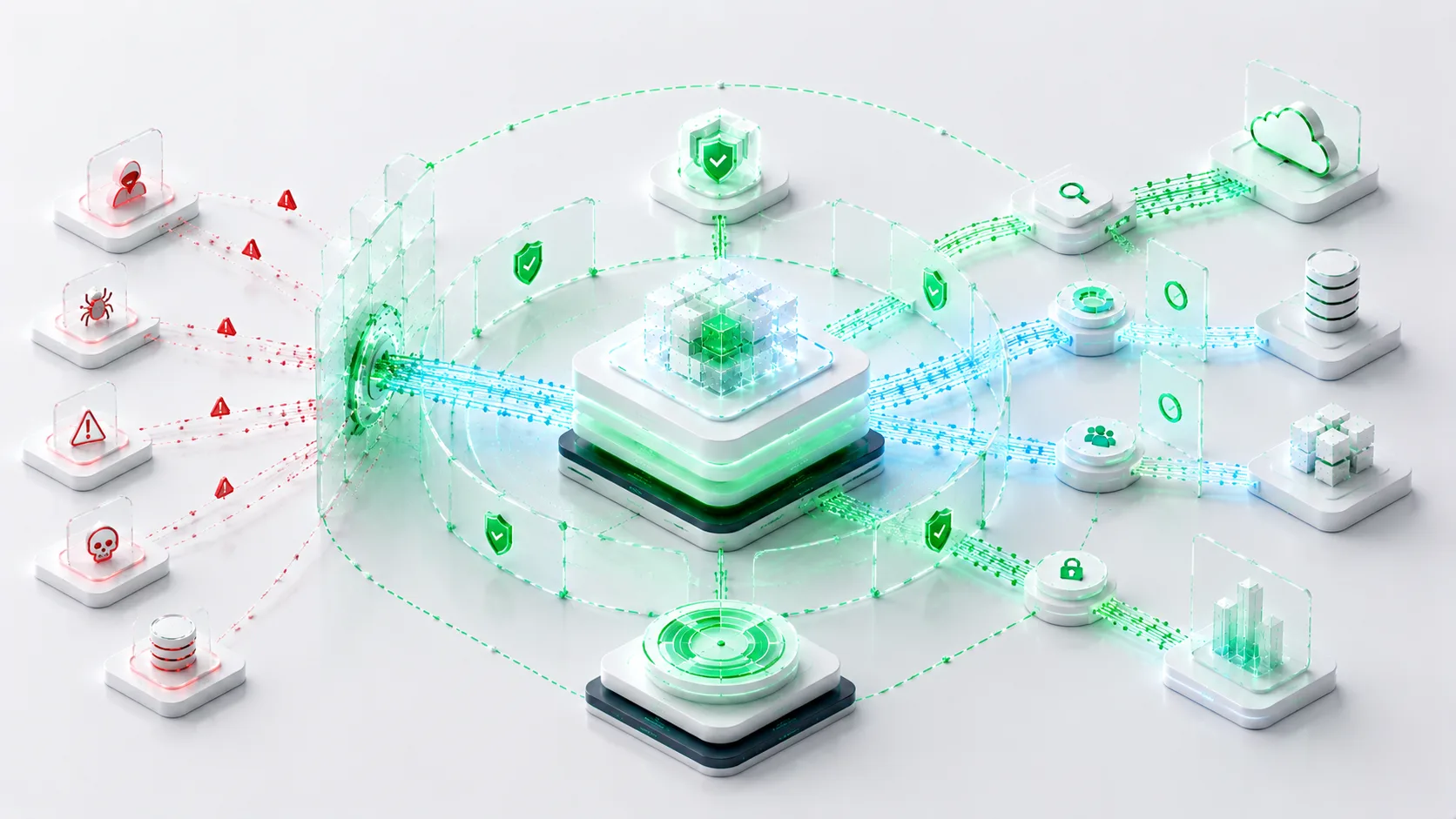
Protect AI environments from operational instability, unauthorized access, and runtime exposure.
Runtime Visibility
Continuously monitor AI systems for anomalies, drift, escalation failures, and operational risks.
Why AI Risk Management Matters in 2026
AI systems are increasingly connected to enterprise infrastructure, cloud environments, operational workflows, and business-critical decision systems.
This operational expansion creates new categories of enterprise risk including:
- Autonomous workflow failures
- Operational decision drift
- Infrastructure instability
- Security exposure
- Compliance violations
- Escalation routing failures
- Cross-system orchestration conflicts
- Uncontrolled AI automation
The scale and interconnected nature of enterprise AI systems means failures can rapidly cascade across operational environments.
The greatest AI risk for enterprises is no longer simply inaccurate model output. It is uncontrolled operational autonomy across infrastructure ecosystems.
Core Categories of Enterprise AI Risk
1. Operational Risk
Operational AI risk includes:
- Workflow orchestration failures
- Incorrect infrastructure actions
- Escalation routing errors
- Autonomous execution instability
- Infrastructure resource conflicts
2. Security Risk
Security-related AI risks include:
- Unauthorized infrastructure access
- Prompt injection exposure
- Inference manipulation
- Data leakage risks
- Supply chain vulnerabilities
- API exploitation
3. Governance and Compliance Risk
Enterprises must manage:
- Policy enforcement
- Auditability requirements
- Decision traceability
- Regulatory compliance
- Operational accountability
- AI transparency obligations
Controlled Operational AI
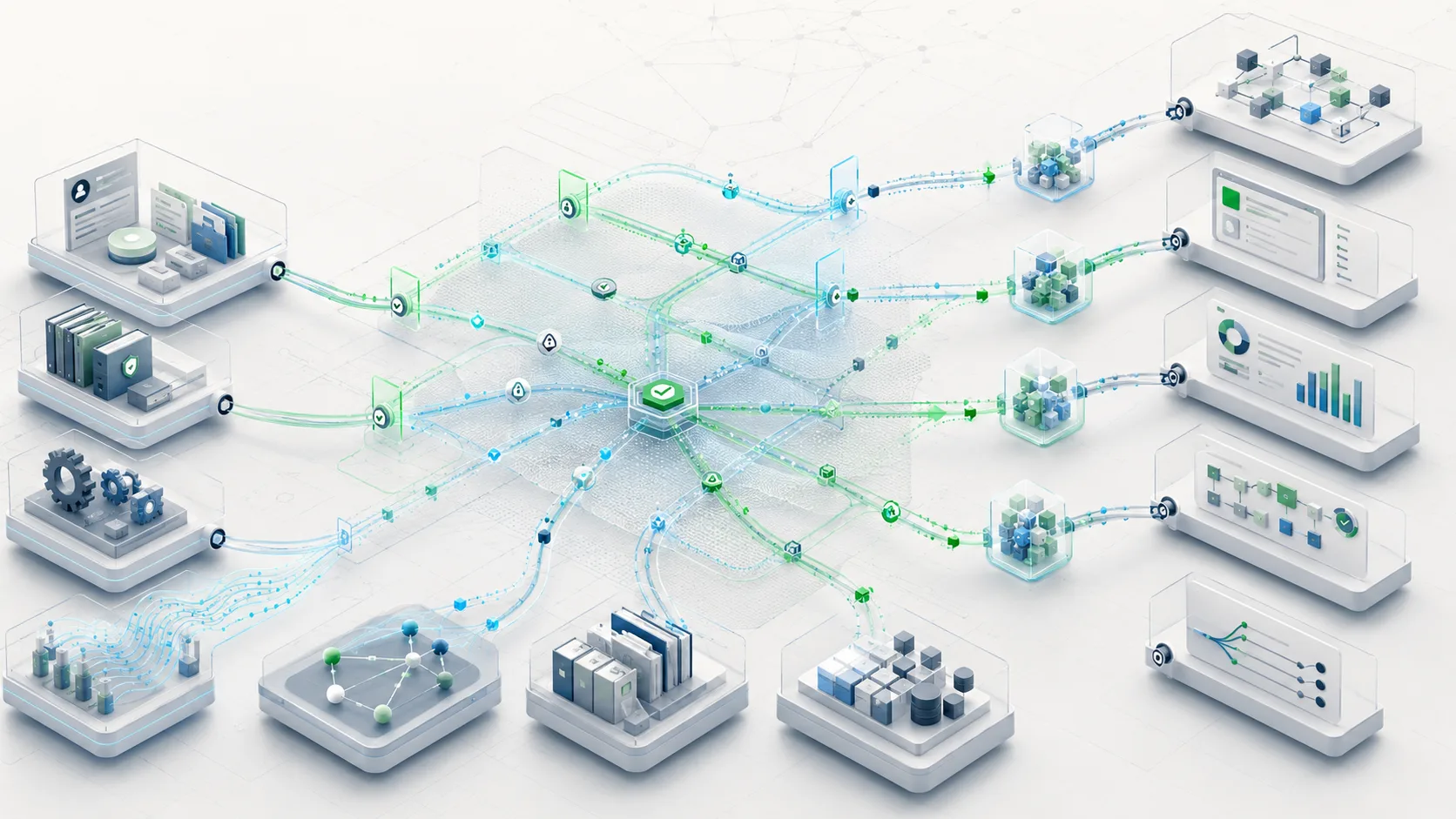
Govern enterprise AI environments through policy-driven orchestration, runtime validation, and operational oversight systems.
Continuous Runtime Visibility
Monitor operational AI systems continuously to detect anomalies, drift, policy conflicts, and infrastructure instability.
How Enterprises Build AI Risk Management Frameworks
Policy-Governed AI Operations
Leading enterprises implement:
- Policy-as-code systems
- Runtime validation layers
- Operational authorization controls
- Escalation governance systems
- Infrastructure isolation policies
Human-in-the-Loop Governance
Critical enterprise operations require:
- Human escalation checkpoints
- Override capabilities
- Operational approval workflows
- Decision accountability systems
AI Observability Infrastructure
Observability systems monitor:
- Operational anomalies
- Decision drift
- Latency spikes
- Workflow conflicts
- Infrastructure instability
- Policy enforcement failures
Risk Management Insight
The enterprises with the lowest operational AI risk are not necessarily those with the smallest AI footprint. They are the organizations with the strongest governance architecture and operational visibility systems.
Enterprise Architecture Perspective
AI Risk Management should be treated as a foundational architecture discipline rather than a standalone compliance function.
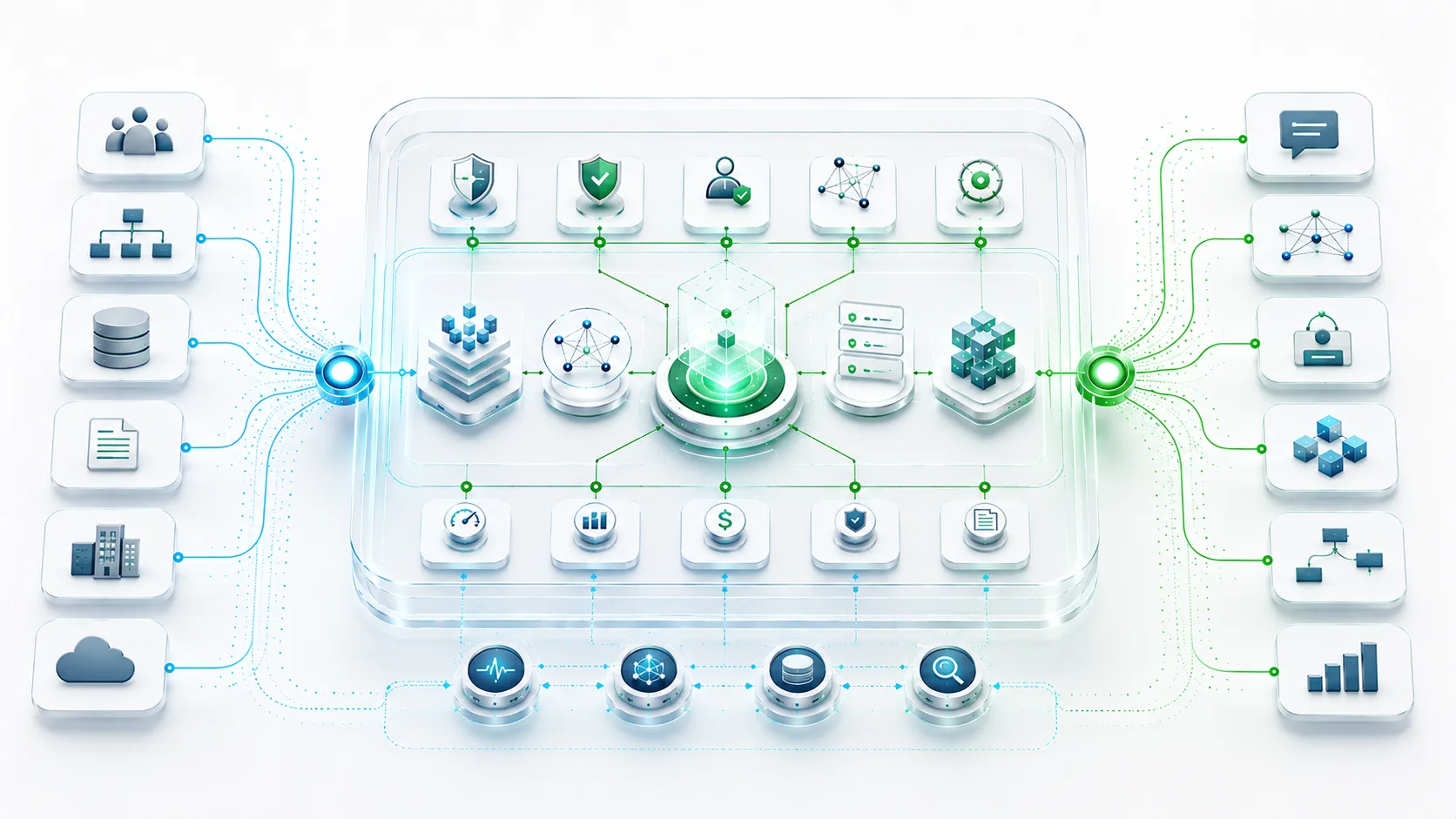
Enterprise AI architecture must include:
AI Risk Architecture Principles
- Zero Trust AI infrastructure
- Policy-governed orchestration
- Infrastructure observability
- Runtime operational controls
- Decision traceability systems
- Human escalation frameworks
- Infrastructure resilience engineering
- Continuous governance validation
The most mature enterprises integrate AI governance, infrastructure security, and operational observability directly into platform architecture.
Implementation Checklist
Enterprise AI Risk Management Checklist
- Implement AI governance frameworks
- Deploy AI observability systems
- Implement runtime security controls
- Establish operational escalation policies
- Deploy policy-as-code governance
- Standardize AI infrastructure operations
- Implement infrastructure isolation systems
- Deploy decision traceability systems
- Implement human-in-the-loop workflows
- Continuously validate AI operational behavior
- Deploy operational resilience engineering
- Standardize AI compliance enforcement
Common Mistakes Enterprises Make
Treating AI Governance as a Compliance Exercise
Operational AI governance must be integrated into runtime infrastructure systems rather than isolated compliance documentation.
Ignoring Infrastructure-Level Risk
AI systems inherit operational risk from the infrastructure environments they depend on.
Lack of Runtime Visibility
Without observability, enterprises lose operational understanding of how autonomous AI systems behave in production.
The most dangerous enterprise AI environments are not highly autonomous systems. They are autonomous systems operating without governance visibility.
Key Takeaways
Operational Governance Is Essential
AI systems require runtime controls, governance enforcement, and policy-driven orchestration.
Visibility Enables Risk Reduction
Observability infrastructure is critical for detecting anomalies and preventing operational instability.
Architecture Determines AI Safety
The safest enterprise AI systems are built on resilient operational infrastructure and governance architecture.
How YggyTech Helps
YggyTech helps enterprises operationalize AI Risk Management through governance architecture, AI observability systems, infrastructure security frameworks, and operational AI reliability engineering.
Our teams support:
- Enterprise AI governance architecture
- Operational AI security frameworks
- AI observability implementation
- Infrastructure resilience engineering
- Runtime AI governance systems
- Cloud-native AI security operations
- Operational AI reliability frameworks
- Platform engineering modernization
Build Governed Enterprise AI Systems with YggyTech
YggyTech helps organizations reduce operational AI risk through enterprise governance architecture, observability systems, resilient infrastructure engineering, and scalable AI operational controls.
Schedule an AI Governance ConsultationFAQs
What is AI Risk Management?
AI Risk Management refers to the governance systems, operational controls, observability infrastructure, and security frameworks used to manage enterprise AI risks.
Why is AI Risk Management important for enterprises?
As AI systems gain operational authority, enterprises must prevent governance failures, security exposure, infrastructure instability, and uncontrolled automation.
What are the biggest AI operational risks?
Key risks include autonomous workflow failures, infrastructure instability, policy conflicts, runtime invisibility, and unauthorized operational actions.
How do enterprises reduce AI risk?
Organizations reduce AI risk through governance frameworks, runtime controls, observability systems, infrastructure standardization, and operational oversight.
How does YggyTech help enterprises implement AI Risk Management?
YggyTech helps enterprises operationalize AI governance, observability, infrastructure security, and scalable operational AI reliability systems.

Ethan Brooks
Senior AI Systems Strategist
Ethan specializes in enterprise AI architecture, scalable automation systems, and intelligent workflow optimization. At YGGY Tech, he writes about practical AI implementation, cloud-native systems, and how modern businesses can eliminate operational fragmentation through intelligent infrastructure.