AI Runtime Security: How Enterprises Protect AI Systems During Live Production Operations
Building secure AI systems is not enough. Enterprises must continuously protect AI applications, RAG systems, agents, workflows, and model-serving infrastructure while they are actively operating in production. AI runtime security provides the controls, monitoring, governance, and response mechanisms that keep production AI trustworthy after deployment.
The Security Problem Most AI Programs Miss
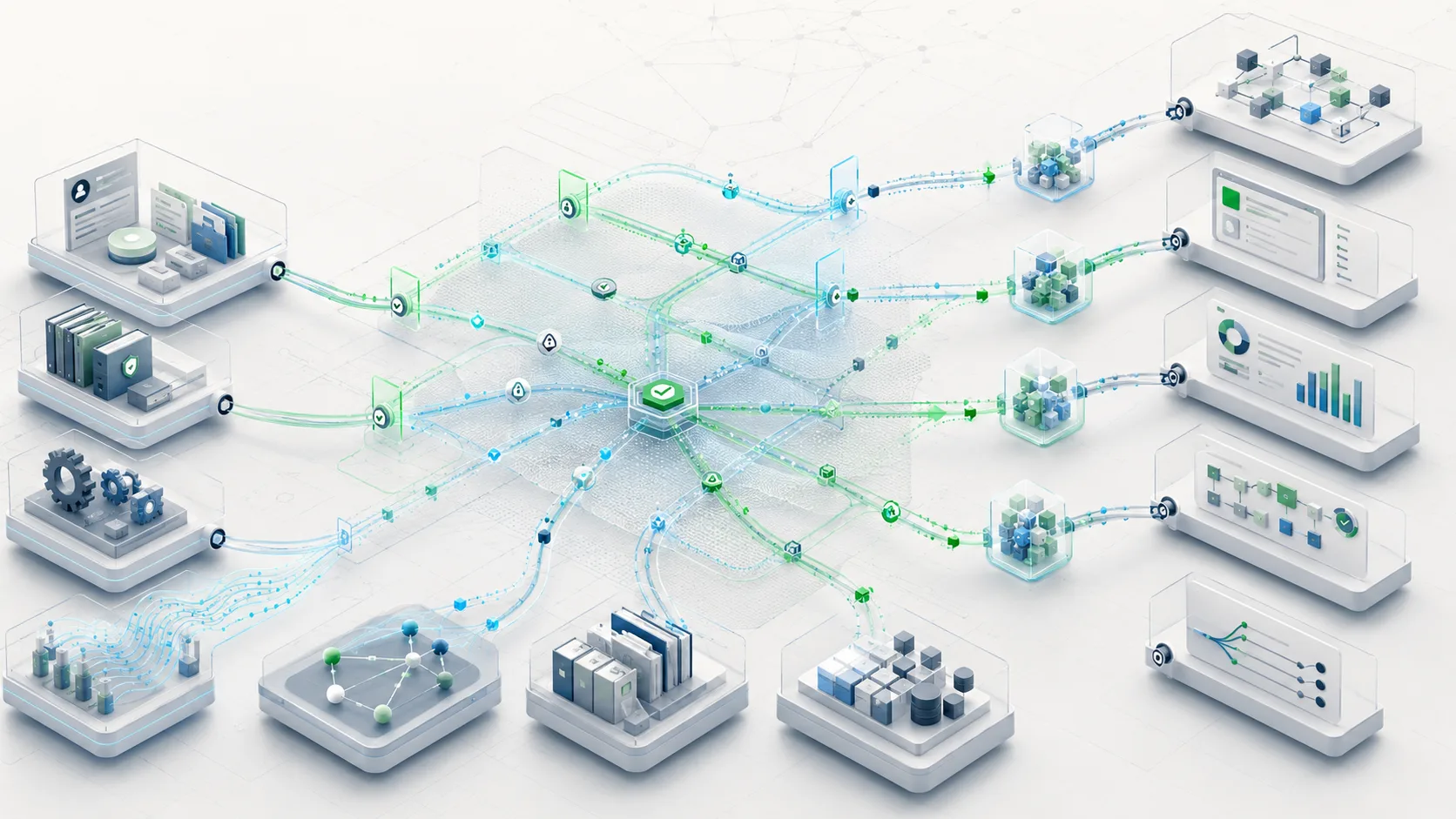
Many organizations invest heavily in model evaluations, governance reviews, and deployment controls before launch. However, the majority of real-world AI threats emerge after systems enter production. Runtime environments introduce dynamic interactions between users, agents, enterprise data, APIs, external tools, workflows, and operational systems.
An AI application may pass every security review and still become vulnerable when exposed to malicious prompts, compromised tools, manipulated retrieval results, unauthorized data access attempts, or evolving business workflows. Runtime security focuses on protecting AI systems while they are actively making decisions and executing actions.
Key Principle
Enterprise AI security is not a deployment milestone. It is a continuous operational discipline that protects AI systems throughout their entire production lifecycle.
What AI Runtime Security Actually Covers
AI runtime security is the set of controls, monitoring systems, policy engines, threat detection capabilities, governance checkpoints, and response workflows that protect production AI systems while they are actively serving users and executing business operations.
Prompt Protection
Detecting prompt injection, jailbreak attempts, instruction manipulation, and adversarial inputs.
Data Protection
Preventing unauthorized access, sensitive data exposure, and retrieval abuse.
Agent Security
Monitoring autonomous actions, tool usage, workflow execution, and delegated permissions.
Operational Defense
Detecting incidents, enforcing policies, collecting evidence, and coordinating responses.
The Major Runtime Threats Facing Production AI
Prompt Injection Attacks
Prompt injection remains one of the most significant threats to production AI systems. Attackers attempt to override instructions, manipulate model behavior, expose hidden information, or bypass safety controls through carefully crafted inputs.
Retrieval Manipulation
RAG systems can be targeted through poisoned documents, manipulated knowledge sources, malicious metadata, or deceptive retrieval content designed to influence AI responses.
Agent Tool Abuse
AI agents often possess access to APIs, databases, workflows, communication systems, and operational platforms. Without runtime controls, compromised instructions can trigger unintended or unauthorized actions.
Sensitive Data Exposure
Production AI systems frequently interact with customer records, financial information, intellectual property, healthcare data, and internal documentation. Runtime controls must prevent accidental or intentional data leakage.
Runtime Security Architecture for Enterprise AI
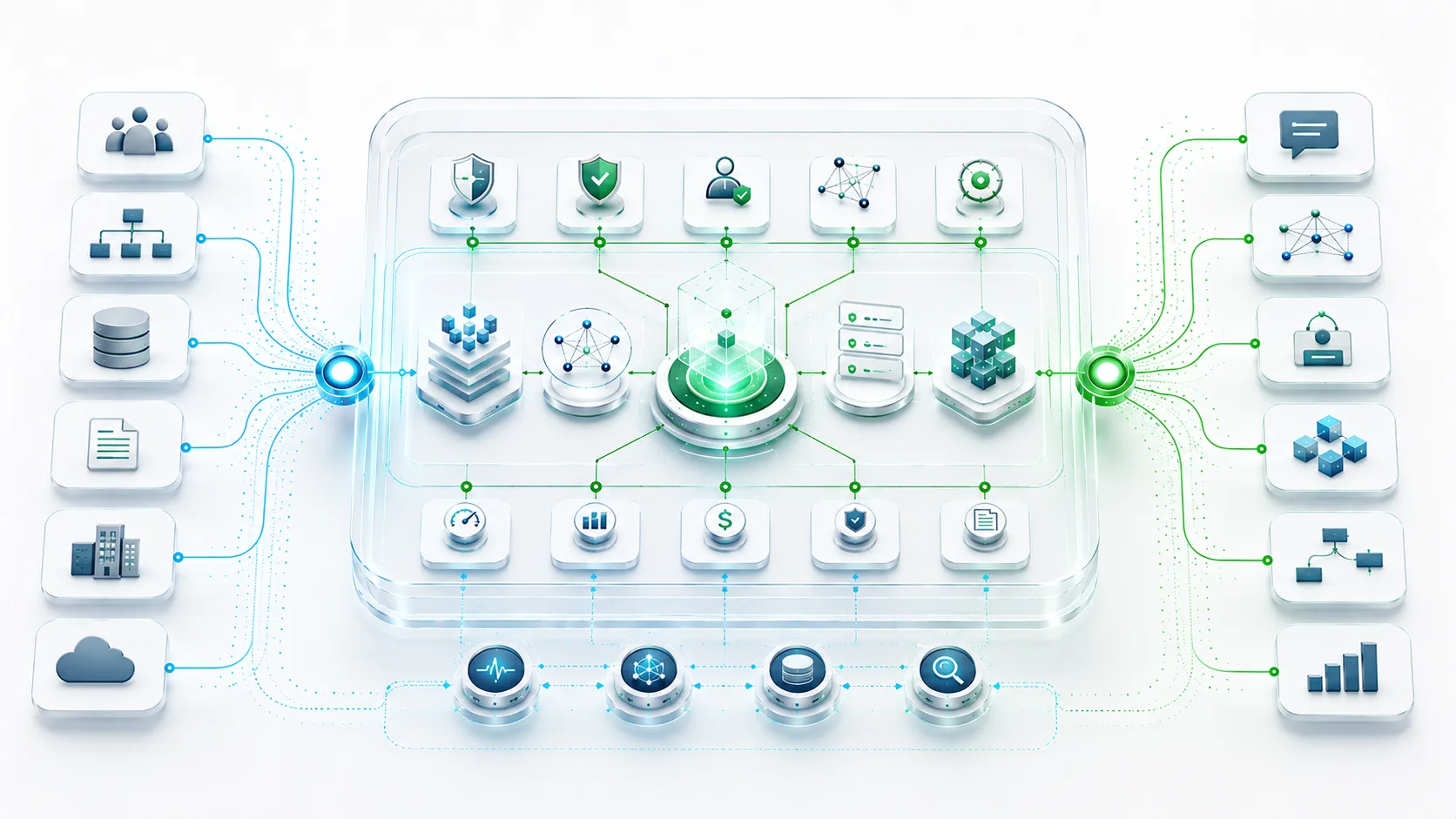
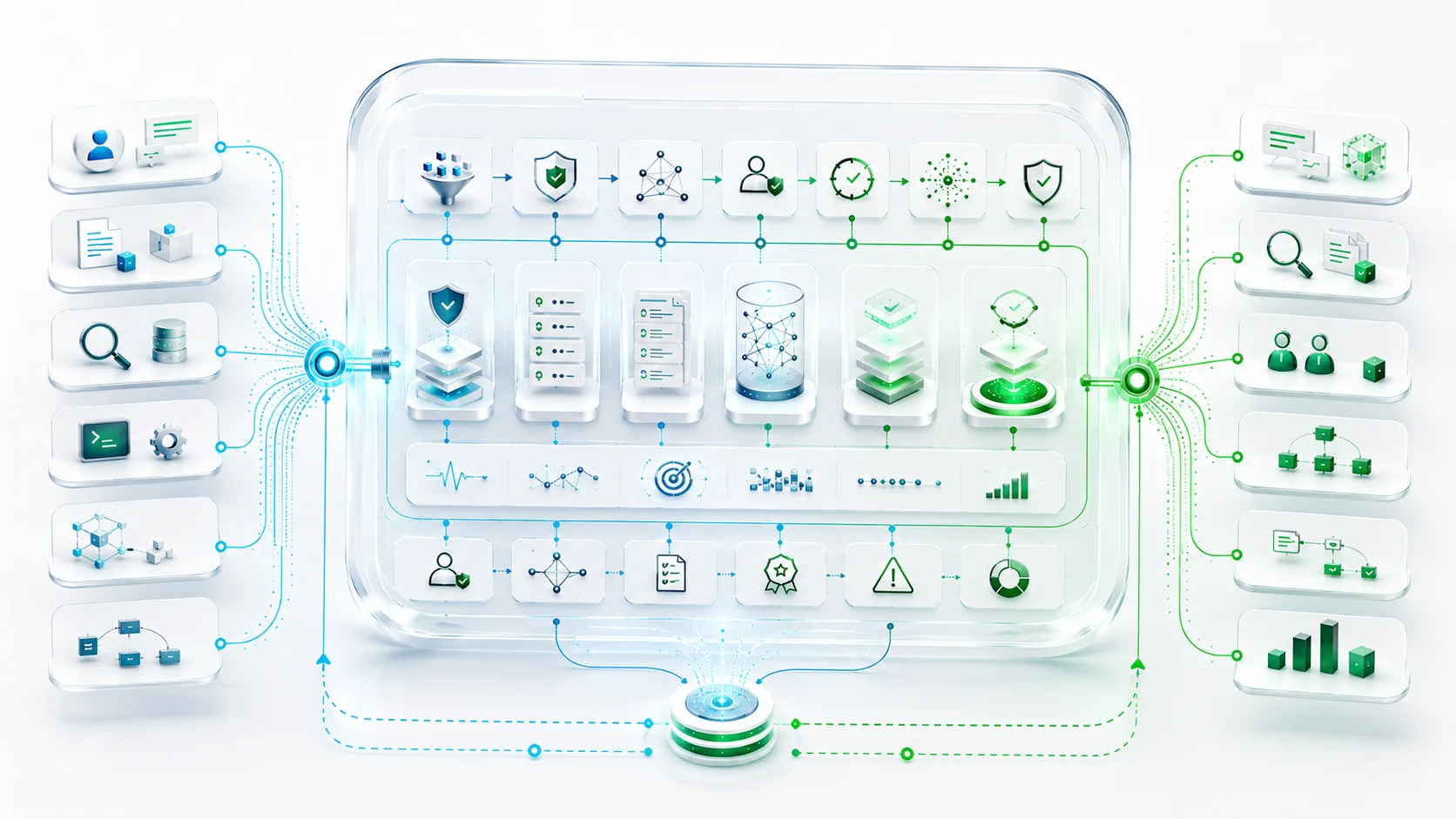
Enterprise AI runtime security requires multiple protection layers working together rather than a single security control.
Core Runtime Security Layers
- Identity and access controls
- Prompt inspection and validation
- Retrieval security controls
- Tool-call authorization
- Runtime policy enforcement
- Output inspection and filtering
- Threat detection systems
- AI observability telemetry
- Governance evidence collection
- Incident response workflows
Runtime Policy Enforcement
Runtime policies provide the operational guardrails that govern how AI systems behave during production execution. These policies determine what information can be accessed, which actions can be performed, which tools can be used, and which workflows require human approval.
Rather than relying solely on model behavior, policy engines act as independent control systems that evaluate requests before actions occur.
A production AI system should never have unrestricted authority simply because the model decided an action was appropriate.
AI Runtime Monitoring and Observability
Runtime security depends heavily on observability. Organizations must monitor AI activity continuously to identify threats, anomalies, misuse patterns, policy violations, and operational risks.
Prompt Monitoring
Track prompt injection attempts, jailbreak patterns, and adversarial behavior.
Agent Monitoring
Observe tool calls, workflow execution, delegated permissions, and action traces.
Retrieval Monitoring
Track context sources, retrieval quality, permission enforcement, and document trust.
AI Incident Response in Production
Despite strong controls, incidents will occur. Organizations require AI-specific response procedures capable of identifying, investigating, containing, and remediating security events.
AI incident response differs from traditional cybersecurity because incidents often involve model behavior, retrieval systems, prompts, agent actions, governance policies, and business workflows simultaneously.
Response Workflow
Detect → Investigate → Contain → Validate → Recover → Improve Controls
Best Practices for Enterprise AI Runtime Security
- Implement layered runtime defenses.
- Monitor prompts, retrieval, outputs, and tool usage.
- Apply least-privilege access principles to AI agents.
- Enforce runtime authorization controls.
- Maintain comprehensive audit evidence.
- Continuously test runtime security controls.
- Integrate AI security operations with enterprise SOC workflows.
- Use observability platforms to identify emerging threats.
- Establish AI-specific incident response runbooks.
- Regularly evaluate runtime governance effectiveness.
How YggyTech Helps
YggyTech helps enterprises design secure production AI environments through AI runtime security architectures, AI observability, governance controls, agent security frameworks, AI security operations, and production-ready AI platforms.
We help organizations move beyond static security reviews and implement continuous protection models that secure AI systems while they are actively operating in production.
Secure AI Systems Beyond Deployment
YggyTech helps organizations implement AI runtime security strategies that protect production AI systems, agents, RAG platforms, and enterprise workflows against evolving operational threats.
Talk to YggyTech
Ethan Brooks
Senior AI Systems Strategist
Ethan specializes in enterprise AI architecture, scalable automation systems, and intelligent workflow optimization. At YGGY Tech, he writes about practical AI implementation, cloud-native systems, and how modern businesses can eliminate operational fragmentation through intelligent infrastructure.